You showered. You used soap. You put on deodorant. You grabbed a clean shirt.
Then an hour later, something smells suspiciously familiar.
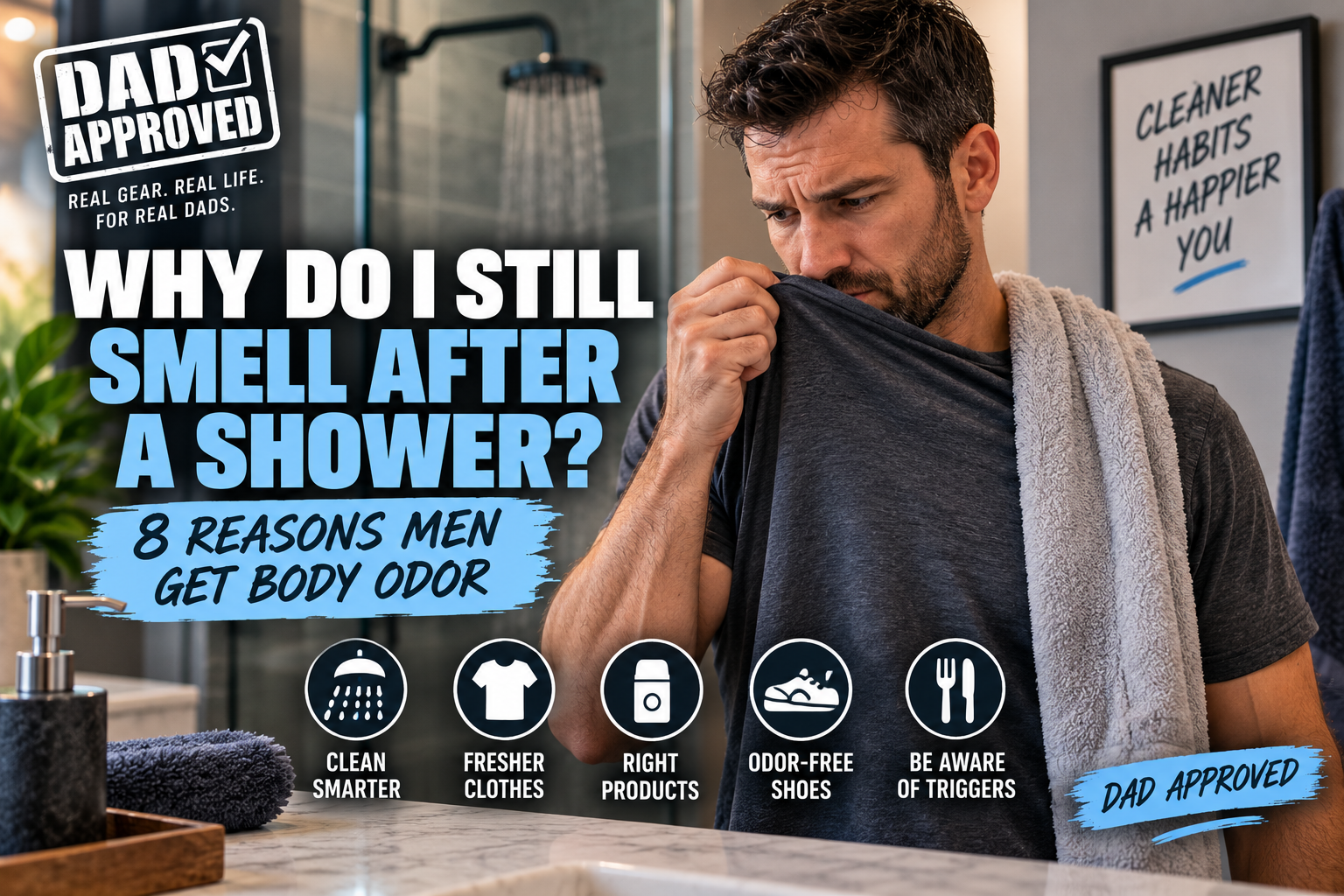
If you’ve found yourself wondering, “Why do I still smell after a shower?”, the answer isn’t necessarily that you need another shower. Sweat itself isn’t usually what creates that familiar body-odor smell. The problem develops when sweat and other secretions interact with bacteria living on your skin.
That also explains why certain areas tend to cause more trouble than others.
Before declaring war with another can of body spray, here are eight things worth checking.
1. You’re Rushing the Parts That Actually Need Washing
There’s showering, and then there’s actually washing.
Standing under hot water for ten minutes doesn’t accomplish much if your armpits get a three-second drive-by with a bar of soap.
Pay particular attention to your armpits, groin, feet and between your toes, butt, skin folds, and areas underneath heavier body hair. These are places where sweat and moisture can stick around.
You don’t need to scrub yourself like you’re stripping paint off a deck. Wash thoroughly, rinse well, and make sure you’re actually cleaning the places most likely to produce odor.
If the rest of you smells like body wash but one armpit is staging a rebellion, stronger cologne probably isn’t the solution.
2. You’re Putting Yesterday’s Smell Back On
Sometimes your shower worked perfectly.
Your clothes didn’t get the memo.
A freshly washed body can pick up odor quickly from a shirt, underwear, socks, workout clothes, or even a towel that still smells funky.
Workout clothing can be particularly stubborn because it gets repeatedly soaked with sweat. Towels can cause similar problems when they’re constantly left damp instead of being allowed to dry completely.
Try a simple test.
After your next shower, use a freshly washed towel and put on completely clean clothes. If the problem suddenly improves, you’ve found a pretty good suspect.
Don’t forget jackets, hats, work uniforms, and other things you may wear repeatedly without washing as often as a normal shirt.
3. You’re Using Deodorant When You Really Need Antiperspirant
A man compares NIVEA MEN and Sure deodorants in a bright bathroom.
These two products aren’t the same thing.
Deodorant primarily helps control odor. Antiperspirant reduces sweating.
That’s an important distinction if you’re showering, applying deodorant, and then soaking your underarms again shortly afterward.
If heavy sweating is contributing to your odor, check the label on what you’re using. A product that’s only a deodorant may not address the actual problem.
Antiperspirant also works best when it’s applied correctly. The American Academy of Dermatology recommends applying antiperspirant to dry skin and notes that applying it before bed can be particularly useful for people dealing with excessive sweating.
Grooming isn’t always about trying to look like a fitness model.
Sometimes you’re just making maintenance easier.
5. Your Feet Are Clean. Your Shoes Aren’t.
You shower.
You wash your feet.
You put on clean socks.
Then you stick them straight back into the same work boots you’ve been sweating into all week.
We’ve found a suspect.
Shoes can hold moisture and odor long after your feet have been washed. Wearing the same pair every day can also prevent them from completely drying between uses.
When possible, rotate between shoes. Let sweaty footwear dry thoroughly. Wash or replace removable insoles when appropriate, and start each day with clean socks.
Yes, every day.
That sentence shouldn’t be necessary, but somewhere a guy just looked nervously toward yesterday’s socks.
If persistent foot odor comes with itching, peeling, burning, cracking, or a rash, don’t assume it’s simply sweat. Athlete’s foot or another skin problem could be involved.
6. You’re Getting Sweaty Again Before You’ve Finished Getting Dressed
Your shower may have worked.
Then your body started over.
A hot shower in a steamy bathroom can leave you warm enough that you’re already sweating again while you’re drying off.
Add getting dressed immediately, rushing around getting ready for work, and maybe drinking something hot, and you’re creating fresh moisture before you’ve even left the bathroom.
Give yourself a few minutes to cool down.
Dry thoroughly before getting dressed, especially around your armpits, groin, feet, and anywhere skin touches skin.
If you use antiperspirant, putting it onto clean, dry skin also makes more sense than rubbing it into an armpit that’s still wet from the shower.
7. Food, Alcohol, and Caffeine Can Play a Role
Sometimes the problem isn’t in your shower.
It’s in your kitchen.
Certain foods can influence body odor in some people. Alcohol, caffeine, and spicy foods can also affect sweating, potentially making an existing odor problem more noticeable.
That doesn’t mean you should eliminate half your diet because you smelled yourself after mowing the lawn in August.
Look for patterns instead.
If you consistently notice stronger odor or heavier sweating after certain foods, alcohol, spicy meals, or a mountain of caffeine, try cutting back on that particular thing and see whether anything changes.
One bad afternoon isn’t a pattern.
8. You May Be Sweating More Than Normal
Some guys simply sweat more than others.
But there’s a point where heavy sweating becomes more than an inconvenience.
Hyperhidrosis is excessive sweating beyond what your body needs for normal temperature regulation. It commonly affects areas such as the underarms, hands, feet, and face.
If you’re soaking through shirts while sitting in a comfortable room, sweating heavily without an obvious reason, or organizing what you wear and where you go around hiding sweat, it’s worth discussing with a healthcare professional.
There are treatment options beyond buying increasingly aggressive sticks of antiperspirant.
What About Whole-Body Deodorant?
Whole-body deodorant has become one of the biggest men’s-hygiene trends.
It can be useful, but the name makes it sound a little more universal than it really is.
You aren’t necessarily supposed to coat yourself from ankle to forehead.
Whole-body deodorants primarily address odor. Unless the product also contains an antiperspirant ingredient, it isn’t necessarily going to reduce how much you sweat.
Fragranced products can also irritate sensitive skin, particularly around the groin. Use products only where they’re intended to be used and follow the manufacturer’s directions.
Your entire body does not need to smell like Arctic Thunder Mountain Cedar Blast.
A Simple Men’s Body-Odor Routine
You don’t need twelve different bottles lined up across the shower.
Wash thoroughly, concentrating on areas that actually develop odor. Dry yourself completely. Put on clean underwear, socks, and clothes. Keep towels clean and let them dry between uses. Give sweaty shoes time to dry.
If excessive underarm sweating is part of the problem, consider an antiperspirant rather than deodorant alone.
Then pay attention to when the smell returns.
If you smell fine until you put on a certain shirt, investigate the shirt.
If your feet smell fine until they go into your work boots, investigate the boots.
If you’re already sweating again before you’ve finished getting dressed, the shower probably isn’t failing.
Finding the source works a lot better than covering everything with another fragrance.
When Should You Talk to a Doctor About Body Odor?
Most everyday body odor isn’t something to panic about.
But a sudden or unexplained change in your normal body odor, a major change in how much you’re sweating, frequent night sweats, or persistent odor despite good hygiene deserves more attention.
Medications and some medical conditions can affect sweating or body odor. A new problem that doesn’t have an obvious explanation is worth bringing up with your doctor or a dermatologist.
That’s a better strategy than continually switching soaps and hoping bottle number seven cracks the case.
The Bottom Line
If you’re wondering why you still smell after a shower, don’t immediately assume the answer is taking more showers.
You may be washing too quickly, putting clean skin back into odor-filled clothing, using deodorant when antiperspirant would better address the problem, getting sweaty again immediately after showering, or putting clean feet into funky shoes.
Start with the simple stuff.
Wash well. Dry well. Wear genuinely clean clothes. Keep towels and shoes dry. Use the right underarm product.
Then work backward from when and where the smell appears.
Because if you just took a shower and still smell, spraying another cloud of cologne over the problem isn’t hygiene.


Leave a Reply