Dad Approved

  • 6 Fishing Gear Upgrades That Make Fishing With Kids Way Easier

    6 Fishing Gear Upgrades That Make Fishing With Kids Way Easier

    Disclosure: This post contains affiliate links. If you buy something through one of these links, Dad Approved may earn a commission at no additional cost to you. As an Amazon Associate, Dad Approved earns from qualifying purchases.

    Taking your kid fishing sounds peaceful.

    You picture a quiet morning by the water. Maybe a few bluegill. Maybe their first bass. Maybe one of those father-and-kid moments you’ll both remember forever.

    Then reality arrives.

    “Dad, my line is stuck.”

    “Dad, is this a bite?”

    “Dad, my hook is in my shirt.”

    “Dad, can you cast it?”

    “Dad, I lost the worm.”

    “Dad, my line is stuck again.”

    You’ve been fishing for eleven minutes.

    Fishing with kids can be fantastic, but the wrong gear turns Dad into a full-time line untangler, hook remover, equipment manager and snack distributor who occasionally gets to hold a fishing rod.

    The good news is that you don’t need a truckload of expensive gear to make things easier.

    A few smart upgrades can remove a surprising amount of frustration.

    1. Zebco Splash Jr. Spincast Combo
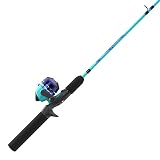
    Zebco Kids Splash Jr. Spincast Reel and Fishing Rod Combo, 4-Foot 2-Piece Fishing Pole, Right-Hand Retrieve, Pre-Spooled with 6-Pound Cajun Line Spincast Reel – Blue
    • EASY-TO-USE: Splash Jr. fishing reel and fishing rod combo is perfect for helping your growing angler take their fishing adventure up a notch featuring a 4-foot fishing pole. This combo is expertly designed including a patented no-tangle design and simple push-button mechanics making it not only easy to use, but also fun and safe for your kids
    • FIT-TO-FISH: With components and rod length proportioned to aspiring anglers. The Splash Kids combo is simple, stylish, and size-appropriate for adventurers aged 6-9, from the bright colors to the durable fiberglass rod with a tangle-free tip. Includes a casting plug for ultimate fun on or off the water. Cast in the backyard or on the shore to sharpen up those casting skills, or head straight to the water for more advanced practice
    • ALL-DAY COMFORT: This hard-working fishing rod and reel combo comes with a comfy EVA foam handle to provide children with hours of comfort. Its moderate-fast action and medium-light power is ideal for targeting everything from panfish, trout, walleye bass and more, and is designed to hold a 2-6-pound line weight and 1/64-1/8 oz lure weights
    • SMOOTH PERFORMANCE: This size 20 spincast reel is constructed with all-metal gears and a 2.6:1 gear ratio for a silky-smooth retrieve. Featuring a QuickSet anti-reverse to stop your handle from moving backward and create a solid hookset in the mouth of a fish when reeling in your catch. The right-hand retrieve is pre-spooled with 6-pound Cajun fishing line so you can start your fishing adventure sooner
    • TRUSTED: Since 1949, Zebco has been inviting people to explore the outdoors. Zebco products are warranted for a period of (1) year from date of original retail purchase against defects in workmanship and/or materials

    Best for: Making casting easier for younger anglers

    Check the Zebco Splash Jr. on Amazon

    There’s a reason push-button reels have introduced generations of kids to fishing.

    They’re simple.

    Press the button. Cast. Reel it back.

    That’s a much friendlier starting point than handing a young kid a spinning reel and immediately beginning a 20-minute seminar on line control.

    The Zebco Splash Jr. is built as a youth fishing combo, so you’re not simply giving a child an adult rod and telling them to choke up on the handle.

    And simplicity matters.

    A kid who can cast without Dad doing it every time actually gets to fish.

    That means more casts, more independence and fewer:

    “Can you do it for me?”

    requests before you’ve even finished your coffee.

    Why Dad Approved Likes It

    It’s not supposed to be the rod they use to chase trophy stripers ten years from now.

    It’s supposed to help them learn to fish right now.

    That’s exactly what beginner gear should do.

    2. Plano Ready-Set-Fish Tackle Box

    Plano Ready-Set-Fish 3-Tray Tackle Box with Tackle, Aqua Blue/Tan, One Size One Size Three-Tray
    • Cantilever tray extends open to showcase contents in 22-34 compartments
    • Vacuum formed tray includes 180-pieces of starter tackle
    • Brass bailed latch for secure closing
    • Aqua Blue lid with tan base

    Best for: Giving kids their own manageable tackle

    Check the Plano Ready-Set-Fish Tackle Box on Amazon

    Kids do not need a tackle box containing 417 lures.

    Frankly, half of us dads don’t either, but that’s a conversation for another day.

    A smaller tackle box gives them enough room for the basics without turning every fishing trip into an expedition through seven trays of tackle.

    Bobbers.

    Hooks.

    Sinkers.

    A few small lures.

    Done.

    There’s also something surprisingly useful about giving a kid their own tackle box.

    Now they’re not digging through yours looking for “the green thing” while somehow relocating $38 worth of tackle into completely different compartments.

    Why Dad Approved Likes It

    Organization isn’t exciting until you’re standing on a dock trying to find a size 8 hook while your kid is holding a worm in one hand and asking seventeen questions.

    Then organization becomes beautiful.

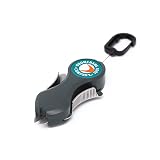
    3. Boomerang Original SNIP Fishing Line Cutter
    Sale
    Boomerang Tool Company SNIP Fishing Line Cutters with Retractable Tether and Stainless Steel Blades that Cut Braid, Mono and Fluoro Lines Clean and Smooth! Original Snip Grey
    • Snip the fishing line and let it go, the built-in 36″ Tether retracts back into place until you need it again
    • Clip it to your hip or vest with the carabineer so it’s always handy and never lost
    • Cuts clean and precise through 50 pounds – Braid, mono, and flour fishing lines.
    • High quality 420 stainless steel serrated cutters are corrosion resistant
    • Important: rinse with freshwater after each Use. Occasionally, treat your snip with an anti-rust spray, such as WD40 or boeshield T9. Wipe with cloth and air dry. This will help prevent spotting on stainless steel blades and screws.

    Best for: Ending the constant search for something to cut line

    Check the Boomerang Original SNIP on Amazon

    Fishing line needs to be cut constantly.

    Changing rigs.

    Retieing hooks.

    Fixing tangles.

    Cutting off the knot your kid somehow created that appears to violate several known laws of physics.

    You can use nail clippers.

    You can dig around for scissors.

    You can also use a dedicated line cutter that’s actually where you expect it to be.

    The Boomerang SNIP is designed specifically for cutting fishing line and uses a retractable tether, which is exactly the kind of tiny convenience that doesn’t sound important until you’ve dropped your clippers into the water.

    Why Dad Approved Likes It

    This isn’t the exciting purchase.

    Nobody wakes up Christmas morning screaming:

    “FISHING LINE CUTTERS!”

    But little tools that eliminate repeated annoyances are often the ones you appreciate most once you’re actually on the water.

    4. Fishing Pliers and Hook Remover
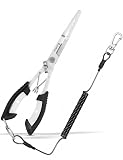
    Needle Nose Pliers Fishing,Hook Remover Fishing Pliers black
    • The needle nose pliers fishing are crafted from stainless steel, The ergonomic ABS material composition handles provide a comfortable grip for fishing pliers hook remover.
    • Fish hook remover tool have Super sharp for fishing line cutter.The fishing pliers saltwater can be used as hook remover tool fishing, braid line cutter, fish pliers.
    • The needle nose pliers fishing can be used to extract hooks from deep in the throat or around the gills of fish for fishing.
    • The fishing pliers hook remover easy to use ,needle nose pliers fishing are easy to open and close, they have a deep reach; It’s a multi-function tool.
    • The fishing pliers hook remover are compact and lightweight, making them easy to carry in your tackle box or pocket. while the included fishing lanyard keeps the fish plierss ecurely attached to your person, preventing accidental loss in the water.

    Best for: Getting hooks out without turning it into an ordeal

    Check the Fishing Pliers / Hook Remover on Amazon

    Sooner or later, somebody has to remove the hook.

    When you’re fishing with kids, that somebody is probably you.

    A proper pair of fishing pliers or a hook-removal tool gives you better control than trying to work a stubborn hook loose with your fingers.

    That’s useful for the fish.

    It’s also useful for keeping another hook from ending up in Dad, which tends to put a small dent in the family-fishing atmosphere.

    Keep the tool somewhere immediately accessible instead of buried underneath the tackle.

    When a fish is flopping around and your kid is yelling:

    “I GOT ONE! I GOT ONE! I GOT ONE!”

    you don’t want to begin an archaeological excavation of the tackle box.

    Why Dad Approved Likes It

    It’s inexpensive, practical and solves a problem you’re virtually guaranteed to encounter.

    Those are three pretty good qualifications for earning space in the fishing bag.

    5. RIVBOS Kids Polarized Sunglasses

    RIVBOS Kids Sunglasses Polarized UV400 TPE with Strap for Boys Girls RBK004 Pink
    • SAFE AND COMFORTABL – RIVBOS sunglasses frame is made of soft silicone and unbreakable material, which is not easy to break, very durable, and also provides a comfortable wearing experience.
    • SUPER CUTE AND COLORFUL DESIGN- Our sunglasses provide various color & styles assortment for parents to choose. Both boys and girls can find their suitable sunglasses in RIVBOS store.
    • PERFECT EYE PROTECTION – RIVBOS Sunglasses are able to filter out all UVA, UVB, UV400 and harmful blue light. At the same time, polarized lenses can reduce glare, restore true colors, and perfectly protect eyes.
    • UNIQUE SUNGLASSES STRAP-Each of our children’s glasses is equipped with a unique strap, which can firmly fix the glasses on the child. Even if it is a baby, there is no need to worry about the shades slipping off.
    • There is no risk in trying, just trust that we will always be with you.

    Best for: Cutting glare and protecting little eyes

    Check the RIVBOS Kids Polarized Sunglasses on Amazon

    Polarized sunglasses aren’t just for looking suspiciously serious while holding a 13-inch bass for a photograph.

    Polarized lenses reduce reflected glare from the water, which can make it easier to see what’s happening below the surface.

    For kids, there’s another reason I like sunglasses around fishing:

    hooks.

    Even when everyone is being careful, you’ve still got people swinging small pieces of sharpened metal through the air.

    Eye protection around flying hooks isn’t a bad idea.

    Add sun protection and glare reduction, and a decent pair of kids’ polarized sunglasses earns its spot in the bag pretty quickly.

    Why Dad Approved Likes It

    This is one of those rare pieces of gear that can make fishing more comfortable, more interesting and a little safer at the same time.

    Also, your kid will probably insist they make them look like a professional fisherman.

    Let them have it.

    6. Stearns Kids USCG-Approved Life Vest

    Sale
    Stearns Kids Life Vest, USCG Approved Type III Life Jacket for Children 30 to 50 lbs, Youth PFD for Boating, Swimming, Watersports, Pool, Beach, & More 30-50lbs Red
    • US Coast Guard-Approved: For optimum water safety.
    • Perfectly Fitted: Designed for children weighing between 30 to 50 pounds.
    • Durable Materials: Features a tough nylon shell with PE flotation foam.
    • Adjustable Design: Comes with three adjustable buckles, open sides, and a leg strap for a secure fit.
    • Versatile: Ideal for boating, swimming, & water sports.

    Best for: Fishing from boats and around deeper water

    Check the Stearns Kids Life Vest on Amazon

    This one isn’t really a convenience upgrade.

    It’s safety equipment.

    If you’re taking kids onto a boat or fishing around water where a life jacket is appropriate or legally required, the PFD needs to be suitable for the child’s current weight and intended activity.

    Don’t buy one three sizes too big because they’ll “grow into it.”

    A life jacket only helps when it fits and is worn correctly.

    The U.S. Coast Guard recommends checking the label for the intended user, activity and weight range, and notes that children’s life jackets should fit snugly rather than allowing the child to slip out. U.S. Coast Guard life-jacket guidance

    Why Dad Approved Likes It

    Because some fishing gear exists to make the day easier.

    This exists to help everyone come home safely.

    That’s a different category entirely.

    You Don’t Need to Buy Your Kid an Entire Fishing Department

    It’s easy to overcomplicate fishing.

    There are thousands of rods, reels, lures, electronics, tools and accessories promising to make us better anglers.

    Kids don’t need most of it.

    They need gear they can actually use.

    A simple rod.

    A little tackle.

    A way to deal with line and hooks.

    Some basic protection.

    And preferably a dad who doesn’t lose his mind after untangling the same fishing line for the fifth time.

    Start simple.

    Let them cast.

    Let them miss fish.

    Let them catch tiny bluegill and react like they’ve landed a 600-pound tuna.

    Because the point isn’t really building the perfect fishing setup.

    It’s getting them to say:

    “Dad, when can we go fishing again?”

    If that happens, you bought the right gear.

    Dad Approved.

    Family fishing together on a dock beside a mountain lake
  • Why Does My Kid Tell Me Everything at Bedtime? There’s a Reason

    Why Does My Kid Tell Me Everything at Bedtime? There’s a Reason

    It is 9:07 p.m.

    You’ve done pajamas. Teeth are brushed. Water has been acquired despite your child apparently spending the previous 13 hours in a state of voluntary dehydration.

    You’ve read the book.

    You’ve said goodnight.

    Your hand touches the doorknob.

    “Dad?”

    Here we go.

    “Yeah?”

    “Today at lunch, Tyler said something and I didn’t tell you because I didn’t know if I should, but then Emma said that Tyler only said it because…”

    You slowly release the doorknob.

    Because apparently 9:07 p.m. is when the podcast begins.

    If your kid suddenly becomes unusually talkative at bedtime, you’re not necessarily imagining it. Bedtime creates a combination of conditions that can make conversation easier: the house is quieter, distractions are disappearing, you’re often giving your child focused attention, and there’s finally room to process the day.

    There can also be a less sentimental explanation.

    Sometimes they just don’t want to go to sleep.

    Usually, it’s probably worth hearing them out anyway.

    Why Do Kids Suddenly Want to Talk at Bedtime?

    Mother and son talking together on a bed at night

    There isn’t good evidence for some universal biological switch that makes children spill their deepest thoughts the moment their head hits a pillow.

    What we do know is that predictable bedtime routines can provide valuable opportunities for parent-child interaction and communication. The American Academy of Pediatrics includes conversation, storytelling, reading and songs among nighttime rituals that can help children settle down.

    And when you think about what bedtime removes from a kid’s environment, the sudden conversation makes a lot more sense.

    1. It’s Finally Quiet

    Think about a normal kid’s day.

    Wake up.

    Get dressed.

    Find the other shoe.

    Breakfast.

    School.

    Teachers.

    Friends.

    Lunch.

    Activities.

    Homework.

    Screens.

    Siblings.

    Dinner.

    Somebody can’t find the other shoe again.

    There aren’t necessarily many stretches when nothing else is demanding their attention.

    Then bedtime arrives.

    The TV is off. The phone or tablet is gone. Nobody is asking them to finish an assignment. They’re lying in a dark room with a parent nearby.

    For perhaps the first time all day, nothing is competing with the conversation.

    Sometimes your kid may not have been hiding something from you all afternoon.

    They may have finally gotten quiet enough to think about it.

    2. They Have Your Undivided Attention

    Mother talking with daughter in star-patterned pajamas on a bed

    At 4:30 p.m., you’re making dinner.

    At 5:30, somebody needs something signed.

    At 6:00, you’re cleaning up.

    At 7:00, somebody has apparently forgotten an assignment that has existed for three weeks.

    But at bedtime?

    You’re sitting beside them.

    You’re not driving.

    You’re not cooking.

    You’re not simultaneously trying to figure out why the dishwasher suddenly sounds like it’s processing gravel.

    You’re just there.

    That kind of focused attention can make it easier for a child to bring up something that didn’t feel important enough, or comfortable enough, to compete with everything else earlier in the day.

    3. Talking Side-by-Side Can Feel Easier Than a Formal Conversation

    There’s a major difference between:

    “Come sit down. We need to talk.”

    and

    lying in the dark while Dad is sitting on the edge of the bed.

    One sounds like you’re about to lose electronics for a month.

    The other is just talking.

    Bedtime conversations often come with less direct eye contact and less of the formal We Are Now Having An Important Conversation atmosphere.

    That can lower the social pressure.

    This doesn’t mean every child will find bedtime easier, and there isn’t strong evidence that bedtime itself universally increases disclosure. But if your child repeatedly chooses this setting for difficult conversations, pay attention to that preference.

    They may be showing you how they communicate most comfortably.

    4. They’re Finally Processing the Day

    Father reading a book with his child on a dinosaur-themed bed

    Kids don’t necessarily understand how they feel about something while it’s happening.

    Adults don’t either, for that matter.

    Sometimes you get halfway through a shower three days later and suddenly realize:

    Wait a minute. That guy at work was a jerk.

    Children are still developing emotional regulation and the ability to identify and communicate feelings.

    Research has found associations between consistent bedtime routines and emotional regulation. A 2025 study indexed by the National Library of Medicine found that bedtime routines were associated with emotional and attentional regulation in young children experiencing household instability.

    That doesn’t prove bedtime makes children disclose more. It does reinforce the broader idea that predictable bedtime routines can provide a useful framework around children’s emotional regulation.

    By nighttime, your kid has had some distance from whatever happened.

    The thing that was just weird at lunch may now feel embarrassing.

    The argument with a friend may finally feel sad.

    The test tomorrow may finally feel scary.

    And suddenly:

    “Dad?”

    5. Bedtime Can Feel Safe and Predictable

    Predictable routines matter.

    The American Academy of Pediatrics recommends regular nighttime routines because knowing what comes next can help children wind down.

    That predictability can create a useful little pocket of the day.

    Same room.

    Same parent.

    Same routine.

    Same general time.

    Nothing particularly surprising is supposed to happen.

    For a kid who has been carrying something around all day, that may be a pretty good time to finally put it down.

    6. And Yes, Sometimes They’re Stalling

    We should probably address the tiny pajama-clad elephant in the room.

    Your child may also have discovered that:

    “Can I have another glass of water?”

    gets a no.

    But:

    “Dad, I’ve been thinking about friendship…”

    gets Dad to sit back down.

    That’s some advanced bedtime strategy.

    That doesn’t mean the conversation is fake.

    Both things can be true.

    Your child may genuinely want to talk and genuinely prefer talking to sleeping.

    Honestly, that’s a pretty understandable position.

    So Should You Let Them Keep Talking?

    Within reason, I would make room for it.

    If your kid is voluntarily telling you what’s happening inside their head, that’s valuable information.

    You don’t want to accidentally teach:

    “Dad says I can tell him anything, unless it’s after 8:47.”

    But you also don’t need bedtime turning into a nightly 90-minute Joe Rogan episode.

    The trick is separating connection from stalling.

    If the conversation seems important, listen.

    If it’s casual chatter and bedtime has already drifted significantly, try:

    “I want to hear the rest of this. Let’s finish it tomorrow.”

    Then actually finish it tomorrow.

    That second part matters.

    Don’t Immediately Try to Fix Everything

    This is probably the hardest part for dads.

    Kid presents problem.

    Dad detects problem.

    Dad activates PROBLEM SOLVING MODE.

    Friend said something mean?

    Here are six potential responses and a diplomatic framework.

    Teacher problem?

    Let’s examine the syllabus.

    Soccer issue?

    I’ve prepared diagrams.

    Sometimes that’s useful.

    Sometimes your kid just wants you to understand why today sucked.

    Try asking:

    “Do you want help figuring this out, or do you just want me to listen?”

    That’s a ridiculously useful question with kids, teenagers and adults.

    Including spouses.

    Ask me how dads discovered that one.

    Actually, don’t.

    Don’t Turn Tomorrow Into an Interrogation

    Your child tells you something vulnerable at night.

    The next morning:

    “So. About Madison.”

    Congratulations. Madison is never being discussed again.

    Unless there’s a safety issue that requires action, resist turning every bedtime disclosure into a formal investigation.

    If your child learns that telling you something automatically produces 36 follow-up questions, three phone calls and a family summit, they’re going to start editing the nightly podcast.

    Listen first.

    Ask enough to understand.

    Then decide together what needs to happen next.

    Create Other Low-Pressure Times to Talk

    If bedtime is the only time your child talks to you, that’s useful information too.

    Try recreating some of the same conditions elsewhere.

    Car rides are great because you’re side-by-side.

    Walking the dog.

    Shooting baskets.

    Fishing.

    Getting food together.

    Sitting outside.

    Doing something with your hands while talking.

    You don’t always need to announce:

    “I would now like to strengthen our father-child communication.”

    Please don’t announce that.

    Just create situations where conversation has somewhere to happen.

    Protect the Routine Too

    As valuable as conversation can be, children still need sleep.

    The American Academy of Pediatrics emphasizes consistent bedtimes and adequate sleep, and bedtime stalling is a common childhood sleep issue.

    So you don’t have to choose between:

    A. My child feels emotionally supported

    and

    B. My child isn’t awake discussing Roblox economics at 11:43 p.m.

    You can have both.

    Build a little talking time into the routine.

    Maybe ten minutes after reading.

    Maybe while you’re sitting beside the bed.

    Maybe one question each night.

    Then keep the basic bedtime predictable.

    That way conversation becomes part of bedtime instead of a loophole around it.

    The Part Worth Remembering

    There will eventually be a night when your kid doesn’t yell:

    “Dad?”

    You’ll close the door.

    And it’ll stay closed.

    That’s the entire goal, of course. We’re raising them to need us less.

    Still, it’s strange how many parts of parenting are exhausting while they’re happening and precious almost immediately afterward.

    So when you’re halfway out the door and hear:

    “Dad, wait. I forgot to tell you something…”

    Maybe sit back down for a minute.

    You might get an elaborate story about Minecraft.

    You might hear about somebody at school.

    You might discover something has been bothering them all day.

    Or you might learn that your child has spent considerable time wondering whether a gorilla could beat a grizzly bear.

    Not every conversation will matter.

    The fact that they’re still choosing you to have it with does.

    Dad Approved.

    Father reading a picture book with three children in bed
    A father shares a funny storybook with three children during a cozy bedtime read.
  • Why Is My House So Cold Even When the Heat Is On? 9 Places Your Home Is Losing Heat

    Why Is My House So Cold Even When the Heat Is On? 9 Places Your Home Is Losing Heat

    You set the thermostat to 70.

    The thermostat says 70.

    Your feet say absolutely not.

    Meanwhile, the furnace has been running long enough that you’re starting to wonder whether it has a side hustle with the utility company.

    If your house feels cold even when the heat is running, turning the thermostat up another two degrees may help temporarily. It can also be the home-heating equivalent of solving a leaky bathtub by opening the faucet farther.

    The real problem may be that the heat you’re paying for isn’t staying where you put it.

    And while everybody immediately blames the windows, some of the biggest leaks in a house are hiding in places you rarely look.

    ENERGY STAR specifically points to attics and basements as major hidden air-leak locations. Warm air escaping through the top of the house can also help pull cold outdoor air into lower portions of the house, creating what’s commonly called the stack or chimney effect.

    Basically, your house can become a giant, extremely expensive chimney.

    Let’s find the holes.

    1. Your Attic Is Letting Heat Escape

    If you’re trying to figure out where your heat is going, start looking up.

    Warm air rises, and openings between your living space and attic give it plenty of escape routes.

    Common trouble spots include attic hatches, plumbing penetrations, wiring holes, recessed lights, dropped soffits, duct chases and gaps where walls meet the attic floor.

    ENERGY STAR recommends attacking the large air leaks first rather than obsessing over every microscopic crack.

    That’s an important distinction.

    If there’s a giant opening above a dropped soffit, spending Saturday afternoon carefully caulking a 1/16-inch crack around a window isn’t exactly maximizing your dad-hours.

    Another clue is dirty attic insulation. ENERGY STAR notes that dirty insulation can indicate air has been moving through it.

    What to check

    Look around:

    • Attic access doors and pull-down stairs
    • Plumbing and electrical penetrations
    • Recessed lights
    • Bathroom fan penetrations
    • Dropped soffits
    • Chimney and flue penetrations
    • Top plates and wall-to-ceiling transitions

    And before you start foaming everything that looks suspicious, remember that heat-producing fixtures, flues and chimneys can require special clearances and fire-rated materials.

    Expanding foam is useful.

    Expanding foam is not holy water.

    2. Your Rim Joists May Be Sneaking Cold Air Into the House

    Go into an unfinished basement and look at the area where the top of the foundation meets the wooden framing of the house.

    That’s rim-joist territory.

    It also happens to be one of the places ENERGY STAR specifically identifies as a common source of basement air leakage.

    Small gaps around the sill plate, rim joists and penetrations can allow outdoor air into the basement. Combine that with warm air escaping through the attic and you’ve created a nice little conveyor belt:

    Warm air out the top.

    Cold air in the bottom.

    Furnace in the middle wondering what it did to deserve this.

    ENERGY STAR recommends sealing gaps and cracks around rim joists, including the top and bottom of the cavity, and paying particular attention to penetrations for pipes, wires and ducts.

    For smaller cracks, caulk may be appropriate. Larger gaps can require expanding foam or other suitable air-sealing materials.

    If you’re already planning to finish a basement, this is the time to deal with it, not after you’ve covered everything with drywall and created a future treasure hunt.

    3. An Uninsulated Basement Can Make the Floors Above It Miserable

    Sometimes the problem isn’t a mysterious draft.

    Sometimes there’s just a giant cold concrete box underneath your house.

    Concrete isn’t insulation.

    If your basement walls are uninsulated, heat can move through that foundation while the floor above the basement stays unpleasantly cold.

    ENERGY STAR cites Building America guidance indicating that uninsulated basement walls can account for a substantial portion of a home’s heat loss. Air sealing and insulating basement walls can improve the thermal performance of the house while also making the basement more usable.

    That matters even if you don’t particularly care whether the basement itself is cozy.

    The basement ceiling is somebody else’s floor.

    If the basement is freezing, your first floor gets invited to the party.

    This is why basement insulation can be a comfort upgrade upstairs, not just part of a future basement-finishing project.

    4. Your Ductwork May Be Heating Somewhere You Don’t Live

    Your furnace can work perfectly and still fail to deliver all that warm air where you want it.

    The ducts have to get it there.

    According to ENERGY STAR, a typical home can lose roughly 20% to 30% of the air moving through its duct system because of leaks, holes and poorly connected ducts.

    Twenty to thirty percent.

    Imagine ordering five pizzas and the delivery driver eating one on the way over.

    You’d have questions.

    Yet we’ll happily let ductwork do essentially the same thing for years.

    This is particularly important when ducts travel through unconditioned areas such as:

    • Attics
    • Crawlspaces
    • Garages
    • Unfinished basements

    ENERGY STAR recommends sealing accessible duct seams and connections with mastic or metal-backed foil tape, not ordinary cloth “duct tape.”

    Yes.

    One of the few jobs for which duct tape is apparently not the preferred duct tape.

    Marketing won that round.

    5. Your Windows and Doors Really Might Be Leaking

    Windows and doors get blamed for everything because they’re easy to feel.

    And sometimes they absolutely deserve it.

    Stand near a closed exterior door on a cold, windy day and you may be able to feel air entering around the perimeter.

    Weatherstripping can help seal moving components such as doors and operable windows, while caulk is generally used for stationary gaps and cracks.

    The good news is that these are often inexpensive fixes.

    The bad news is that homeowners sometimes jump straight from “I feel a draft” to “I need $25,000 worth of new windows.”

    Maybe.

    But let’s spend $12 on weatherstripping before calling the window salesman.

    A draft doesn’t automatically mean the entire window needs to be ripped out of the house.

    6. Your Attic Insulation May Be Inadequate

    Air sealing and insulation are related, but they’re not the same job.

    Think of insulation as the winter coat and air sealing as zipping the coat.

    You can keep piling insulation into an attic, but if heated air is freely moving through gaps underneath it, you haven’t solved the whole problem.

    ENERGY STAR says that if attic insulation is at or below the level of the floor joists, the home probably needs more. It also emphasizes sealing attic air leaks because doing so improves the effectiveness of the insulation that’s already there.

    This is why I’d investigate air leakage before blindly buying more insulation.

    Otherwise you may spend a weekend adding fluffy material while the actual hole underneath it continues doing its thing.

    7. Recessed Lights and Ceiling Penetrations Can Be Tiny Heat Escape Hatches

    Every hole somebody cut through your ceiling deserves at least a little suspicion.

    Recessed lights.

    Electrical boxes.

    Speaker wiring.

    Plumbing.

    Exhaust fans.

    Duct chases.

    It’s amazing how carefully we insulate an attic and then drill approximately 700 holes through the boundary between the house and attic.

    One small opening isn’t necessarily dramatic.

    Dozens of them add up.

    ENERGY STAR specifically identifies recessed lighting, wiring holes, plumbing penetrations, open soffits and duct or furnace chaseways as common attic air-leak locations.

    Just don’t start sealing around recessed lights without knowing what type you have. Some fixtures require clearance from insulation or special treatment.

    Electricity is remarkably intolerant of enthusiasm without research.

    8. Your Fireplace May Be Quietly Robbing You

    A fireplace feels like it should make the house warmer.

    When there’s an actual fire in it, sure.

    When there isn’t, the chimney can become another path between conditioned indoor air and the outdoors.

    Check that the damper closes properly when the fireplace isn’t being used, and inspect around the fireplace and chimney for obvious air-leak locations.

    But this is also where DIY enthusiasm needs boundaries.

    Combustion appliances, chimneys and flues aren’t places to improvise with whatever tube of sealant happens to be closest.

    Use materials approved for the application and maintain required clearances.

    The goal is a warmer house.

    Not an exciting conversation with the fire department.

    9. The Heating System Might Actually Be the Problem

    After spending most of this article accusing your house of leaking, we should acknowledge the possibility that the furnace or heat pump itself isn’t performing properly.

    A few warning signs:

    • The system runs almost continuously
    • Certain rooms never reach the thermostat setting
    • Airflow from registers seems weak
    • The temperature varies dramatically from room to room
    • The equipment is older or hasn’t been serviced
    • Filters are badly clogged
    • Supply or return vents are blocked

    But ENERGY STAR makes an important point: before replacing heating and cooling equipment, address major air leaks and duct problems because those may be the actual source of the comfort problem.

    That’s worth remembering when someone tells you the solution is immediately spending $15,000 on new HVAC equipment.

    Maybe it is.

    Maybe your attic hatch is basically open.

    Those are very different invoices.

    How Do You Figure Out Where the Heat Is Actually Going?

    Before buying insulation, windows, a furnace and enough spray foam to encase the house in a giant marshmallow, diagnose the problem.

    Start with the free stuff.

    Walk through the house on a cold or windy day.

    Feel around exterior doors and windows.

    Look for rooms that are consistently colder than others.

    Check whether supply vents are open and unobstructed.

    Inspect accessible ductwork.

    Look around the basement rim joists.

    Check the attic hatch.

    Look at your attic insulation depth and condition.

    If you want a more serious diagnosis, a home energy audit can be worthwhile. A professional energy auditor can use tools such as a blower door to depressurize the house and reveal air leakage that isn’t obvious during a walk-through. The Department of Energy specifically recommends energy audits as a way to identify the worst leakage points rather than guessing.

    Thermal imaging can also help identify temperature differences, particularly when used under appropriate indoor/outdoor temperature conditions.

    That’s considerably more useful than walking around the house pointing at things and saying, “Probably the windows.”

    What Should You Fix First?

    Don’t automatically start with the most expensive project.

    I’d work roughly in this order:

    Find the big air leaks.

    Attic penetrations and basement/rim-joist leakage deserve particular attention because they’re major components of the stack effect.

    Seal accessible leaks.

    Weatherstripping, appropriate caulk and properly selected foam can solve some surprisingly annoying problems without requiring a home-equity loan.

    Check the ducts.

    Especially if they travel through an attic, crawlspace, garage or other unconditioned space.

    Evaluate insulation.

    Once you’ve reduced uncontrolled airflow, determine whether the attic, basement or other parts of the building envelope actually need more insulation.

    Then evaluate the HVAC system.

    If the house is reasonably sealed and insulated and still can’t maintain temperature, it’s time to look harder at the equipment, sizing, airflow and distribution.

    That’s a much better strategy than replacing random expensive things until the house gets warmer or the checking account gets cold.

    One Important Warning Before You Seal Everything

    A tighter house is generally good for comfort and energy efficiency.

    But there is such a thing as doing this badly.

    ENERGY STAR warns that significant air sealing can affect combustion appliances and indoor air quality. Naturally vented gas or oil appliances can potentially backdraft if changes to the house affect how they receive combustion air or exhaust gases. A tighter home may also require proper mechanical ventilation.

    If your project involves major air sealing and you have combustion equipment, fireplaces or other naturally vented appliances, professional combustion-safety testing is a very good idea.

    Your house should be tight.

    Your carbon monoxide detector should also be extremely bored.

    Final Thoughts

    If your house feels cold even though the thermostat says it shouldn’t, don’t immediately assume you need a bigger furnace.

    Your heating system may be doing exactly what you asked.

    Your house may simply be terrible at keeping the results.

    Start at the top and bottom.

    Check the attic for major air leaks.

    Check the basement and rim joists.

    Look at accessible ductwork.

    Deal with obvious window and door drafts.

    Then evaluate insulation and HVAC performance once you’ve stopped paying to heat parts of the property that don’t technically qualify as indoors.

    And if the problem is just one family member who insists 72 degrees is “basically freezing”?

    We already found a solution for that.

    Give them one of our best heated blankets for 2026 and slowly back away from the thermostat.

    The house gets fixed.

    They get warm.

    You get custody of the thermostat again.

    Everybody wins.

    Dad Approved.

  • Best Heated Blankets for 2026: 5 Cozy Picks Worth Buying

    Best Heated Blankets for 2026: 5 Cozy Picks Worth Buying

    Disclosure: This post contains affiliate links. If you buy through one of these links, Dad Approved may earn a commission at no additional cost to you. As an Amazon Associate, Dad Approved earns from qualifying purchases.

    Every house has one.

    The person who insists it’s freezing while everyone else is perfectly comfortable.

    They walk around wrapped in a blanket. They put their hands on your neck to demonstrate how cold they are. Eventually they wander over to the thermostat and attempt to turn your living room into a tropical biome.

    A heated blanket is cheaper than heating the entire house because one family member apparently has the circulation of a garden statue.

    And thankfully, electric blankets have gotten much better.

    The old ones felt like somebody stitched extension cords between two pieces of fabric. Today’s better models are softer, washable, adjustable and loaded with timers and automatic shutoffs for those of us who routinely fall asleep 14 minutes into a movie.

    I narrowed the pile down to five that actually have a reason to exist. No list of 27 nearly identical blankets just so I can stuff another Amazon link onto the page.

    Here are the five I’d look at.

    Dad Approved Picks at a Glance

    PickHeated BlanketBest For
    Best OverallBedsure GentleSoft Solid Flannel Heated BlanketThe safest bet for most people
    Best for the BedBeautyrest Heated Electric BlanketCouples and serious blanket people
    Best Heated ThrowSunbeam Heated ThrowCouch duty
    Best LookingBedsure GentleSoft Ribbed Heated BlanketPeople who have standards for their living room
    Best Simple OptionTefici Heated ThrowPeople who just want the blanket to get warm

    1. Bedsure GentleSoft Solid Flannel Heated Blanket

    Sale
    Bedsure Heated Blanket Throw Blanket with Preheat Function – Fast Heating Electric Blanket, Soft Flannel Throw with 6 Time Settings(Up to 10H), 6 Heating Settings, Gifts for Grandma (50″x60″, Grey) 01 – Grey Throw
    • Fast & Even Warmth: 6 heating levels and 6 timer settings (1-2-4-6-8-10H) let you enjoy personalized coziness. Advanced longer heating wires provide fast, even warmth for peace of mind. In Good Housekeeping’s 2025 lab tests of 12 heated blankets, it ranked top and earned the Good Housekeeping Seal
    • Safer & More Reliable: Conducted in Bedsure Intertek-Recognized Satellite Lab, 74 safety tests with standards surpassing UL ensure safer performance. This heating blanket is ETL and FCC certified, and its default 8-hour auto shut-off prevents it from overheating so that you can enjoy warmth with complete peace of mind
    • Preheat Function: Preheat the blanket on the coach for toasty warmth, then enjoy 2h at Level6 for instant warmth and 6h at Level4 to stay comfy, no settings needed
    • Softness & Versatile Comfort: The 220 GSM flannel top and 200 GSM sherpa backing provide an irresistibly soft touch on both sides, keeping you cozy year-round. When not powered on, it serves as a regular throw blanket. Neat stitching and fade-resistant dye ensure lasting durability and easy machine care, perfect for house warming gifts and everyday comfort
    • Energy-Saving:Designed for standard 120V AC wall outlets at 60Hz, our electric blanket has a power rating of 100W, consuming about one-thirtieth the energy of traditional heaters. Enjoy cozy warmth while saving on electricity costs

    Best Overall

    Check the Bedsure GentleSoft Solid Flannel Heated Blanket on Amazon

    If you came here because you’re cold and don’t want to spend the next 25 minutes studying electric blankets, start here.

    The Bedsure GentleSoft Solid Flannel is the most well-rounded blanket of the bunch.

    Bedsure uses a 220 GSM flannel top with a 200 GSM Sherpa reverse, which is a very technical way of saying it’s an actual cozy blanket even when it isn’t plugged into the wall.

    That shouldn’t feel noteworthy, but apparently the heated-blanket industry needed a few decades to figure out that people don’t enjoy sleeping underneath upholstery with wires in it.

    The 50-by-60-inch Throw gives you six heat levels and six timer settings covering 1, 2, 4, 6, 8 or 10 hours. It also has a preheat function and an eight-hour default automatic shutoff. Larger sizes can have different control setups, including dual controls on some bed-size versions, so check the exact size before buying.

    And dual controls might quietly be one of humanity’s better contributions to marriage.

    One side can be set to “pleasant winter evening.”

    The other can be set to “surface of Mercury.”

    Nobody has to negotiate.

    Good Housekeeping’s Textiles Lab named the GentleSoft Solid Flannel its Best Overall electric blanket for 2026 after testing heated blankets for heating speed, distribution, comfort, durability and washability. They found that it heated quickly and relatively evenly, with good heating-element coverage.

    That’s useful because Amazon reviews will tell you almost anything is amazing if you read enough of them. Independent testing carries a little more weight.

    Why I like it: It’s soft, has plenty of heat adjustment, comes in useful sizes and still functions as a perfectly normal blanket when unplugged.

    The catch: Controls vary by size, so don’t look at the King specifications and assume you’re getting all of them on the Throw. Good Housekeeping also had a tester notice some shedding before the first wash.

    Dad Approved verdict: If you don’t have a specialized reason to buy something else, this is the one I’d start with.

    See the Bedsure Solid Flannel Heated Blanket on Amazon


    2. Beautyrest Heated Electric Blanket

    Sale
    Beautyrest Heated Blanket Queen Size, Fast Heating Electric Blanket, Ivory Queen (90 in x 84 in) Ivory
    • 100% Microlight Plush
    • Imported
    • Beautyrest – An American company with 16+ years of experience and zero product recalls. Each product undergoes 78 independent safety tests, surpassing industry standards.
    • Premium Quality: Luxuriously soft and cozy plush fabric offers extra warmth for the cold winter; delivers heat ranging from 85 – 105℉ (temperature range will vary based on current ambient room temperature)
    • Smart Home Compatible – Compatible with SMART HOME OUTLETS and AUTOMATIC TIMERS and features 20 Heat settings. A 1-hour PRE-HEAT feature can jump-start the warming process and auto shut-off can be set from 1-10 hours

    Best for the Bed

    Check the Beautyrest Heated Electric Blanket on Amazon

    Some people want a warm blanket on the couch.

    Other people have experienced the specific betrayal of climbing into an ice-cold bed in January.

    The Beautyrest is for the second group.

    This is more of a proper bed blanket than a wandering-around-the-house throw, and its biggest advantage is control. Good Housekeeping reports more than 20 adjustable temperature settings along with a one-hour preheat option.

    Twenty.

    I’m not entirely convinced the human body can identify 20 distinct levels of warm, but I respect the commitment.

    The preheat function is the part I actually care about. Turn it on before bed and let the blanket warm things up before you get in.

    No lying perfectly still for five minutes waiting for your own body heat to establish a survivable ecosystem under the covers.

    Good Housekeeping named the Beautyrest its Best Value electric blanket for 2026 and reported even heat distribution during testing.

    For couples, the larger configurations are especially interesting because temperature disagreement at bedtime is apparently one of the universal laws of marriage.

    Why I like it: Lots of adjustment and preheating make it particularly good for people who want a heated blanket primarily for sleeping.

    The catch: Good Housekeeping found that the wires aren’t packed as closely together as some competing blankets.

    Dad Approved verdict: If your main objective is making the bed warm before you climb into it, Beautyrest makes a strong case.

    See the Beautyrest Heated Electric Blanket on Amazon


    3. Sunbeam Heated Throw

    Sunbeam Electric Throw Royal Sherpa with Foot Pocket Heated Blanket, 4 Heat Settings, 4-Hour Auto Shut-Off, Fast Heating, Warm and Cozy, Grey Color, 50″ x 60″ Gray
    • EFFORTLESS WARMTH: Easy-to-use push-button controller with LED indicator lights
    • CUSTOMIZABLE WARMTH: 4 heat settings: warm, low, medium, high
    • SAFETY FIRST: 4-hour auto shut-off and overheat protection for added peace of mind
    • RICH AND ULTRA COZY MATERIAL: Soft Royal Sherpa fabric and foot pockets for added warmth and comfort, 100% high-quality polyester
    • STYLISH AND VERSATILE COLOR: Grey color with compliments your décor, perfect for your bedroom, living room or home office

    Best Everyday Heated Throw

    Check the Sunbeam Heated Throw on Amazon

    This is the one for people who don’t need to electrically heat an entire mattress.

    You need your spot.

    The couch. The recliner. Maybe your desk if you work from home and refuse to heat 2,000 square feet because your feet are cold.

    That’s where a heated throw makes considerably more sense.

    Sunbeam has been making electric bedding forever, and there is something appealing about the simplicity here. It’s a heated throw. You put it over yourself. It gets warm.

    We’ve somehow reached a point where I appreciate products that don’t require an app, Wi-Fi password, firmware update and account registration before they’ll perform their one assigned job.

    A throw is also easier to move around. Couch tonight. Recliner tomorrow. Home office Monday morning while you reconsider every decision that led to having a Monday morning.

    Why I like it: Portable, uncomplicated and much more practical than a bed-size blanket when only one person needs the heat.

    The catch: Sunbeam makes several heated-throw configurations, so check the exact listing for the fabric, controls and shutoff features on the version you’re buying.

    Dad Approved verdict: The sensible couch pick. Nothing revolutionary. Sometimes that’s exactly what you want.

    See the Sunbeam Heated Throw on Amazon


    4. Bedsure GentleSoft Ribbed Heated Blanket

    Sale
    Bedsure GentleSoft Heated Blanket Throw – Soft Ribbed Flannel Electric Blanket, Gifts for Grandma (50×60 inches, Grey) 01 – Grey Throw
    • Fast & Even Warmth: 6 heating levels and 6 timer settings (1-2-4-6-8-10H) let you enjoy personalized coziness. Advanced longer heating wires provide fast, even warmth for peace of mind. In Good Housekeeping’s 2025 lab tests, it ranked among the top 3 heated blankets and was named the most stylish
    • Safer & More Reliable: Conducted in Bedsure Intertek-Recognized Satellite Lab, 74 safety tests with standards surpassing UL ensure safer performance. This heating blanket is ETL and FCC certified, and its default 8-hour auto shut-off prevents it from overheating so that you can enjoy warmth with complete peace of mind
    • Preheat Function: Preheat the blanket on the coach for toasty warmth, then enjoy 2h at Level6 for instant warmth and 6h at Level4 to stay comfy, no settings needed
    • Softness & Enhanced Durability: The 240 GSM flannel top and the 200 GSM premium sherpa both provide an exceptionally soft touch on each side. Neat stitching ensures stronger seams and enhanced durability. It is machine washable and uses a unique dyeing technique to prevent fading
    • Giftable: Enjoy extra warmth with this heated throw while watching a movie, adding it to your bed for a restful night, or using it as a regular blanket. This electric throw blanket adds a stylish touch to your decor and is available in multiple colors and sizes, making it a practical gift for women, men, seniors, housewarmings, birthdays, or holidays

    Best Looking Heated Blanket

    Check the Bedsure GentleSoft Ribbed Heated Blanket on Amazon

    There is a longstanding design philosophy in heated blankets:

    “Don’t worry about how it looks. They’re cold. They’ll buy it anyway.”

    Bedsure apparently disagreed.

    The GentleSoft Ribbed is the blanket on this list I’d be least inclined to hide when company comes over.

    It uses a 240 GSM flannel top with a 200 GSM Sherpa reverse. The ribbed surface gives it the texture of a normal decorative throw while also helping conceal the heating elements.

    That’s important because some electric blankets have all the visual subtlety of a power strip sewn into a comforter.

    The 50-by-60-inch Throw offers six heat levels and six timer settings covering 1, 2, 4, 6, 8 or 10 hours, along with an eight-hour default automatic shutoff. Bedsure also lists ETL and FCC certification.

    Good Housekeeping’s testers specifically liked the ribbed appearance and found that the wires stayed visually hidden in the channels. It also heated quickly in their testing, although its heat wasn’t quite as consistent at the highest setting as the Solid Flannel Bedsure.

    Which finally gives us a legitimate reason to have two Bedsure blankets on the same list instead of pretending they’re wildly different products.

    Want the better all-around performer?

    Get the Solid.

    Care more about appearance?

    Get the Ribbed.

    There. We survived a product comparison without a 4,000-word buying guide.

    Why I like it: It looks like something you’d intentionally put in your living room instead of emergency equipment you dragged out because the furnace died.

    The catch: Independent testing found some temperature variation on high, and testers differed on how noticeable the internal wires felt.

    Dad Approved verdict: The heated blanket for people who don’t want their couch looking like it requires an electrical inspection.

    See the Bedsure GentleSoft Ribbed Heated Blanket on Amazon


    5. Tefici Electric Heated Throw

    Sale
    Tefici Heated Blanket Throw, Ultra Soft 2-Layer Flannel Electric Blanket Grey Throw
    • SAFETY FIRST : The heating blanket has ETL and FCC certifications, overheating protection, and auto-off after 4 hours of use in case you forget, protecting you and the heated blanket throw. Ensure that you enjoy warm without any potential safety hazards, and also be more energy-saving
    • FULL-BODY WARM COMFORT : Made of double layered flannel which is softer and warmkeeper than sherpa or other materials, featured with upgraded electric wires that provide more heating area and even heat distribution, and with 6 heating settings(95°F – 113°F) controlled by one button, the heated blanket throw can let you stay constant warm and cozy
    • PORTABLE and VERSATILE : The 50″ x 60″ size electric heated blanket with 10-foot power cord makes it portable to use on bed, sofa, in the office, also great for travel. And it can be also used as a normal blanket throw by simply detaching the controller cord
    • FOR YOUR LOVED ONES: This heated blanket throw makes a thoughtful warm gift for your loved ones on birthdays, Christmas, New Year’s Day, and more. Delivering gentle, consistent warmth, it helps you unwind and enjoy cozy, relaxing moments at home
    • EASY TO MAINTAIN : The electric blanket throw can be hand-wash or machine-wash. Be sure to unplug the controller cord from the blanket before washing it, and wash it gently. Then make sure the blanket is completely dry before use(air dry or low temperature dry). When completely dry, do firstly connect the controller cord with the blanket and then plug into electricity for use

    Best Simple Heated Throw

    Check the Tefici Electric Heated Throw on Amazon

    Then there’s Tefici.

    The 50-by-60-inch throw gives you six heat settings ranging from 95°F to 113°F, so apparently even the “simple” blanket couldn’t resist giving us options.

    Still, there’s not much nonsense here.

    Pick your heat level. Get warm. Try not to turn choosing a blanket temperature into a family meeting.

    It uses double-layer flannel and includes a four-hour automatic shutoff, detachable controller, overheating protection and machine-washable construction. Tefici also lists ETL and FCC certification.

    At 50 by 60 inches, it’s firmly in personal-blanket territory. Couch, recliner, home office. Don’t buy this expecting to cover a King bed unless you and your spouse have agreed to settle ownership through combat.

    Why I like it: It’s inexpensive, straightforward and still gives you enough temperature adjustment to find the level you actually want.

    The catch: It’s a basic personal throw rather than a full-size bed blanket, and the four-hour shutoff is shorter than the eight-hour default on the Bedsure throws.

    Dad Approved verdict: A straightforward heated throw for somebody who wants warmth without paying for a bunch of extras.

    See the Tefici Electric Heated Throw on Amazon


    So Which Heated Blanket Should You Actually Buy?

    Here’s the short version.

    If you just want me to point at one, start with the Bedsure GentleSoft Solid Flannel. It’s the most complete package here and has strong independent testing behind it.

    If this thing is staying on your bed, Beautyrest makes more sense. The preheat function alone is compelling if you hate cold sheets.

    If you’re primarily sitting on the couch, Sunbeam gives you the straightforward heated-throw experience without buying more blanket than you need.

    If your spouse has ever informed you that something “doesn’t go with the room,” consider the Bedsure Ribbed.

    And if you want a straightforward personal throw without spending much, Tefici keeps things simple.

    Problem solved.

    What Actually Matters When Buying a Heated Blanket

    Heated blankets have become another product category where manufacturers discovered they can print 19 features on the box and hope nobody asks whether 14 of them matter.

    A few actually do.

    Automatic shutoff: Get it. Humans fall asleep. Humans forget things. Sometimes we do both simultaneously.

    Multiple heat settings: You want enough adjustment to find comfortable warmth. Whether anyone genuinely requires 20 settings remains between them and their thermostat.

    Dual controls: If two people share the blanket, this can prevent the nightly negotiation over whether the bedroom should feel like Norway or a reptile enclosure.

    Washability: Eventually something will get spilled on it. If you have children, change “eventually” to “probably Thursday.”

    Make sure the controller disconnects and follow the manufacturer’s washing instructions.

    Wire placement: A blanket can be unbelievably soft right up until you discover what feels like an extension cord running across your shin.

    Better wire placement helps both comfort and heat distribution.

    Size: Buy for how you’re actually going to use it.

    A throw is excellent for the couch.

    A throw is considerably less impressive when two adults are attempting to share it in a Queen bed and quietly stealing six inches from each other all night.

    A Quick Word About Heated Blanket Safety

    The fuzzy part can make it easy to forget that a heated blanket is still an electrical appliance.

    Don’t use one with damaged wiring, a damaged cord or a malfunctioning controller. Follow the manufacturer’s instructions for washing, drying, folding and operating your specific blanket.

    And don’t assume “I saw somebody on TikTok do it” constitutes an alternate safety manual.

    Automatic shutoff, overheating protection and recognized safety certifications are features worth looking for, but they don’t replace using the thing properly.

    Final Thoughts

    You don’t need to turn your house into a sauna because one person is cold.

    You also don’t need to spend three hours comparing 47 electric blankets that all somehow have names containing the words Luxury, Premium, Ultra Soft, and Cozy.

    These five cover the useful territory.

    Bedsure Solid is the all-around pick.

    Beautyrest belongs on the bed.

    Sunbeam is built for couch duty.

    Bedsure Ribbed wins when you care what the thing looks like.

    Tefici covers the simple, affordable heated-throw job without trying to be anything more.

    And whichever one you choose, there is one additional household benefit nobody puts on the packaging:

    The person who is always cold gets their blanket.

    Everyone else gets the thermostat back.

    Dad Approved.
    Family of four cuddling together in bed under colorful blankets
    Scroll back up…just get the blanket.
  • Why Are My Windows Sweating? What Window Condensation Is Telling You

    Why Are My Windows Sweating? What Window Condensation Is Telling You

    If your windows look like somebody took a hot shower in the living room, your house is trying to tell you something.

    That water isn’t leaking through the glass. In most cases, it’s condensation caused by warm, humid indoor air meeting a cold window.

    A little condensation every once in a while isn’t necessarily a crisis. But windows that are constantly wet, dripping onto the sill or developing mold around the frame deserve some attention.

    The good news is that you can usually narrow down what’s causing it without tearing apart the house.

    Why Does Condensation Form on Windows?

    Think about a cold drink sitting outside on a summer day.

    The water on the outside of the glass didn’t leak through from inside the cup. Moisture in the surrounding air cooled against the cold surface and condensed into water.

    Your windows can do the same thing.

    During colder weather, the inside surface of your window can become much colder than the air inside your house. When warm indoor air containing enough moisture reaches that cold glass, some of that moisture turns into liquid water.

    That’s the “sweating” you’re seeing.

    The colder the window gets and the more moisture that’s floating around inside the house, the easier condensation forms.

    Why Does It Suddenly Get Worse in Fall and Winter?

    You may have the same amount of moisture inside your house for months without noticing anything unusual.

    Then the temperature outside drops.

    Now the glass is colder.

    That colder surface can be enough to turn an invisible humidity problem into visible droplets running down the window.

    This is also why you might notice condensation first thing in the morning. The outdoor temperature may have dropped overnight while people inside the house were breathing, showering and adding moisture to the air.

    Your house didn’t suddenly start producing water.

    The conditions finally became right for you to see it.

    1. Your Indoor Humidity May Be Too High

    This is the first thing I’d check.

    The EPA recommends keeping indoor relative humidity below 60%, and ideally between about 30% and 50% when possible.

    That doesn’t mean 50% humidity is automatically appropriate for every house in every season.

    When it’s extremely cold outside, you may need lower indoor humidity to prevent condensation from forming on cold surfaces.

    A cheap indoor humidity meter, usually called a hygrometer, can tell you where you’re starting.

    If the house is sitting at 60% humidity while it’s freezing outside and the windows are soaked every morning, you’ve found a pretty big clue.

    2. Showers Add a Lot of Moisture

    Bathrooms are basically small indoor weather systems.

    Take a hot shower, and all that steam has to go somewhere.

    A properly working bathroom exhaust fan should move moist air outside rather than letting it spread through the rest of the house.

    Run the fan while showering and leave it running for a while afterward.

    Also check that the fan actually vents outdoors.

    A fan that sounds impressive but moves very little air isn’t accomplishing much. Neither is one dumping moist bathroom air into an attic.

    3. Cooking Can Raise Humidity Too

    Boiling pasta, simmering soup and cooking on the stove all release moisture.

    One dinner isn’t going to turn your house into a rainforest, but repeated moisture from cooking can contribute to an already humid house.

    Use your range hood when you’re producing a lot of steam, particularly if the hood vents outdoors.

    And yes, this means the range hood has another purpose besides making noise while you’re trying to hear the television.

    4. Laundry and Dishwashing Add Moisture

    Laundry can contribute moisture too, particularly if you’re drying clothes indoors.

    Make sure your clothes dryer vents properly to the outdoors and inspect the vent periodically for restrictions or disconnected ductwork.

    Dishwashers also release warm, moist air, particularly when they’re opened immediately after a hot cycle.

    None of these things alone necessarily explains soaked windows.

    Together, though?

    Showers + cooking + laundry + people + pets + a closed-up house can add a surprising amount of moisture.

    5. Your Curtains or Blinds May Be Making It Worse

    This one is easy to overlook.

    Heavy curtains and tightly closed blinds can reduce air circulation across the window.

    The glass stays cold while moist air becomes trapped nearby.

    Then you open the curtains in the morning and discover your own little indoor pond.

    Try leaving blinds slightly open or giving air more room to circulate around problem windows.

    This doesn’t eliminate the underlying moisture, but it can help reduce the conditions that encourage condensation.

    6. Your House May Not Be Moving Enough Air

    Sometimes the problem isn’t simply how much moisture exists.

    It’s where that moisture is collecting.

    Rooms with poor airflow can develop different humidity and temperature conditions from the rest of the house.

    Keep supply registers open unless your HVAC system was specifically designed otherwise, and don’t block returns with furniture.

    Ceiling fans can also help keep room air moving.

    If you’re already fighting dust and wondering whether the HVAC system is part of the problem, I covered several related issues in Why Is My House So Dusty? 9 Places All That Dust Is Coming From.

    7. Your Windows May Simply Be Very Cold

    Indoor humidity isn’t the entire story.

    Window temperature matters too.

    Older single-pane windows generally have much colder interior glass surfaces during winter than modern insulated windows. Even insulated windows can develop condensation when outdoor temperatures get low enough.

    Storm windows, better air sealing and improved windows can raise the temperature of that interior surface and make condensation less likely.

    But I wouldn’t immediately replace every window because you found some moisture on the glass.

    Check the humidity first.

    A brand-new window can’t repeal physics.

    Condensation Inside vs. Outside vs. Between the Glass

    Where the water appears matters.

    Condensation on the inside of the window

    This usually points toward indoor humidity meeting cold glass.

    That’s the situation most of this article addresses.

    Condensation on the outside

    Exterior condensation can happen when the outside surface of the glass is colder than the outdoor dew point.

    Oddly enough, this isn’t necessarily a sign of a bad window.

    Well-insulated windows can sometimes develop exterior condensation because less heat from inside the house reaches the exterior pane.

    Condensation between the panes

    This is different.

    If you have double- or triple-pane insulated windows and moisture or fog appears between the panes where you can’t wipe it away, the insulated glass seal may have failed.

    Lowering the humidity in your house won’t repair a failed window seal.

    That’s when I’d start looking at the window itself rather than chasing the thermostat around the house.

    When Should You Worry About Window Condensation?

    An occasional little fog around the bottom of a window is different from water running down the wall every morning.

    Pay closer attention if you’re seeing:

    • Water pooling on window sills
    • Peeling or bubbling paint
    • Swollen or damaged wood
    • Persistent musty smells
    • Mold growth
    • Wet drywall
    • Condensation covering large portions of multiple windows every day

    Repeated moisture can eventually damage the materials surrounding the window.

    The EPA’s basic advice on moisture problems is pretty straightforward: control the moisture source and dry wet materials rather than allowing damp conditions to continue.

    EPA guidance on mold and moisture in the home

    How to Reduce Condensation on Your Windows

    You don’t need to attack every possible cause at once.

    Start with the simple stuff.

    1. Measure your indoor humidity. Don’t guess. A hygrometer will tell you whether excess humidity is an obvious part of the problem.
    2. Use bathroom exhaust fans. Run them during showers and afterward.
    3. Use your kitchen exhaust. Especially when boiling water or producing a lot of steam.
    4. Check the dryer vent. Make sure warm, damp dryer air is actually reaching the outdoors.
    5. Improve airflow around windows. Open curtains and blinds enough to let room air circulate.
    6. Wipe up standing water. Don’t repeatedly leave water sitting on wood, drywall or window trim.
    7. Use a dehumidifier if necessary. If humidity remains high despite addressing obvious sources, mechanical dehumidification may help.
    8. Investigate persistent problem areas. One constantly wet window while every other window stays dry could point toward an issue specific to that window or room.

    If your HVAC system is also struggling with airflow or indoor-air issues, don’t forget the filter. Dad Approved’s HVAC Filter Guide: MERV Ratings, Sizes & When to Change It explains what the ratings mean and why simply buying the highest-number filter isn’t always the answer.

    What About a Humidifier?

    This is where things get interesting.

    Winter air can become uncomfortably dry, so plenty of homes use humidifiers.

    There’s nothing inherently wrong with that.

    But if you’re running a humidifier while water is streaming down your windows every morning, your house is giving you some fairly unsubtle feedback.

    Turn the humidity setting down and see what happens.

    The goal isn’t to make the house as dry as possible. It’s to find a comfortable indoor humidity level that doesn’t continually create condensation on cold surfaces.

    That target can change as outdoor temperatures change.

    Don’t Just Keep Wiping the Windows

    Wiping condensation away is useful because you don’t want water sitting against the sill or trim.

    But that’s cleanup.

    It’s not diagnosis.

    If the windows are wet again tomorrow morning and the morning after that, figure out why.

    Check the humidity. Use the exhaust fans. Look at airflow. Pay attention to which windows are affected and when the condensation appears.

    Your windows aren’t necessarily the problem.

    Sometimes they’re just the easiest place to see what’s happening elsewhere in the house.


    Frequently Asked Questions

    Why do my windows have condensation every morning?

    Overnight outdoor temperatures often fall while people inside the house continue adding moisture through breathing, showering and normal household activity. If the interior glass becomes cold enough, moisture in the indoor air can condense on it.

    Does condensation mean I need new windows?

    Not automatically.

    High indoor humidity can cause condensation even on good windows when conditions are right.

    However, moisture trapped between panes of insulated glass can indicate a failed seal.

    Will a dehumidifier stop condensation on windows?

    It can help if excessive indoor humidity is contributing to the problem.

    Before buying one, measure your humidity and address obvious moisture sources such as bathroom ventilation, cooking, indoor clothes drying or dryer-vent problems.

    Is condensation on windows dangerous?

    A small amount of occasional condensation isn’t necessarily dangerous.

    Persistent water is more concerning because repeated moisture can damage window trim, paint, drywall and other materials and create conditions that support mold growth.

    What humidity should my house be in winter?

    There isn’t one perfect setting for every house and outdoor temperature.

    The EPA generally recommends keeping indoor relative humidity below 60%, ideally around 30% to 50%. During very cold weather, your home may need to stay toward the lower end to prevent condensation on cold surfaces.


    The Dad Approved Bottom Line

    If your windows are sweating, don’t immediately assume the windows are bad.

    Start with the house.

    Measure the humidity. Run the exhaust fans. Check the dryer vent. Give air room to circulate around the glass. Pay attention to whether the moisture is on the room side of the window or trapped between the panes.

    Most importantly, don’t ignore water that keeps coming back.

    A wet window is easy to wipe off.

    Water damage around one is considerably less fun.


  • Best Cordless Vacuum for Pet Hair: 4 Picks for Every Budget

    Best Cordless Vacuum for Pet Hair: 4 Picks for Every Budget

    This post contains affiliate links. As an Amazon Associate, I earn from qualifying purchases at no extra cost to you.

    If you have pets, you already know the deal. You vacuum the floor, admire your work for approximately six minutes, and then your dog walks through the room and somehow leaves enough hair behind to build a smaller dog.

    Finding the best cordless vacuum for pet hair isn’t just about buying the model with the biggest suction number on the box. Pet owners also need to think about hair wrapping around the brush roll, filtration, furniture attachments, battery life, weight, and whether the vacuum is actually convenient enough to grab every day.

    I narrowed the field down to four strong choices at very different price points. These are research-based recommendations, not products I’ve personally tested, so I’ve separated what each model does well from the marketing noise.

    Quick Comparison

    PickVacuumBest For
    🏆 Best OverallDyson V15 Detect PlusPerformance & heavy shedding
    💰 Best Mid-RangeShark PowerPro Flex Reveal PlusFeatures without Dyson pricing
    🐾 Best ValueBISSELL PowerClean FurFinderPet-focused cleaning
    💵 Best BudgetLEVOIT LVAC-200Everyday pet hair on a budget

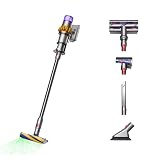
    1. Best Overall: Dyson V15 Detect Plus

    Check the Dyson V15 Detect Plus on Amazon

    If budget isn’t the deciding factor, the Dyson V15 Detect Plus is the strongest overall choice of these four.

    The V15 combines powerful cordless cleaning with features that are genuinely useful in a house with pets. Dyson rates it at 240 air watts of suction with up to 60 minutes of runtime, although actual runtime varies depending on the cleaning mode and attachments being used.

    One of its biggest advantages for pet owners is the included Hair Screw tool, which is specifically designed to pick up long hair and pet hair while reducing tangling. That’s particularly useful for couches, stairs, pet beds and other places where fur likes to establish permanent residency.

    The Fluffy Optic cleaner head also illuminates microscopic dust on hard floors. That’s probably going to reveal some things about your supposedly clean kitchen that you weren’t emotionally prepared to know.

    Why I picked it

    • Excellent pet-hair performance
    • Powerful 240 AW suction
    • Up to 60 minutes runtime
    • Hair Screw tool for upholstery and pet hair
    • Two cleaner heads
    • Whole-machine filtration
    • Useful on both hard flooring and carpet

    The downside

    It’s expensive.

    You’re paying premium money for premium performance, and plenty of households simply don’t need to spend this much on a cordless vacuum.

    Dad Approved verdict:
    If you have multiple shedding pets, mixed flooring and want one of the strongest cordless options available, this is the one I’d put at the top of the list.


    2. Best Mid-Range: Shark PowerPro Flex Reveal Plus

    Shark PowerPro Flex Reveal Plus Cordless Vacuum, Java, IZ382H
    • HYPERVELOCITY SUCTION: Provides incredible suction power and cleaning performance for everyday messes.
    • DIRT-REVEAL TECHNOLOGY: Illuminates the hidden dust & dirt to ensure no spot is missed.
    • EASILY REACH UNDER FURNITURE: MultiFLEX technology allows you to bend the wand to clean under furniture, or fold it over for compact, flex storage.
    • FLOORDETECT TECHNOLOGY: Detects floor type and automatically adjusts brushroll speed for maximized performance on all surfaces – no switching of nozzles required.
    • NO HAIR WRAP: Self-cleaning brushroll for powerful pet hair pickup with no hair wrap.

    Model: IZ382H

    Check the Shark PowerPro Flex Reveal Plus on Amazon

    The Shark PowerPro Flex Reveal Plus lands in an interesting spot between budget cordless vacuums and Dyson territory.

    Its biggest attraction for a pet household is Shark’s self-cleaning brush-roll technology, designed to reduce hair wrapping around the roller.

    It also includes HEPA filtration and Shark’s flexible wand design. The wand can bend so you can reach underneath beds, couches and furniture without performing the middle-aged-dad floor maneuver where getting down is easy but getting back up requires a written plan.

    Runtime is rated at up to 50 minutes, depending on configuration and use.

    Why I picked it

    • Strong pet-hair pickup
    • Self-cleaning brush roll
    • HEPA filtration
    • Flexible wand for cleaning under furniture
    • Up to 50 minutes runtime
    • More approachable price than the Dyson

    The downside

    You’re still spending considerably more than the budget models, and maximum runtime figures don’t represent continuous full-power cleaning.

    Dad Approved verdict:
    This is the sweet spot for someone who wants premium pet-friendly features without jumping all the way to Dyson pricing.


    3. Best Value: BISSELL PowerClean FurFinder

    Bissell PowerClean FurGuard 280W Self-Standing Cordless Vacuum, 4039
    • POWERFUL 280W SUCTION MOTOR. Find and capture pet hair everywhere with a high performance motor and FurFinder LED headlights that illuminate hidden pet hair fine dust and debris for a deep clean on every surface.
    • EXTENDED 50 MINUTE CORDLESS RUNTIME. Enjoy up to 50 minutes of continuous cleaning power in low mode or 13 minutes in turbo mode. Easily transforms from a stick vacuum to a handheld or high reach vacuum for versatile home cleaning.
    • SPECIALIZED PET HAIR REMOVAL TOOLS. Remove up to 95 percent of embedded pet hair from couches chairs stairs and auto interiors with the FurFinder tool. Engineered for quick and efficient hair pickup across your entire home.
    • FURGUARD SELF CLEANING BRUSHROLL. Advanced brushroll technology prevents hair wrap and clogging from pet and human hair up to 16 inches long while powerfully vacuuming debris across carpets and sealed hard floors.
    • SELF STANDING CONVENIENCE AND STORAGE. PowerClean can stand upright on its own for convenient pauses during cleaning or for compact storage while charging the long lasting removable lithium ion battery.

    Check the BISSELL PowerClean FurFinder on Amazon

    The name FurFinder isn’t exactly subtle about what BISSELL built this vacuum to do.

    This is the most pet-focused option in the group and an especially interesting choice for households where fur on furniture is just as much of a problem as fur on the floor.

    The PowerClean FurFinder uses FurFinder headlights to help reveal pet hair and debris that can be difficult to see under normal lighting. It also uses a tangle-resistant brush system and includes tools intended for cleaning pet hair from above-floor surfaces.

    BISSELL rates cordless runtime at up to 40 minutes.

    Why I picked it

    • Designed specifically with pet households in mind
    • FurFinder headlights expose hidden hair
    • Tangle-resistant brush roll
    • HEPA filtration
    • Removable battery
    • Up to 40 minutes runtime
    • Strong balance between price and pet-specific features

    The downside

    The 40-minute maximum runtime trails the longer advertised runtimes of the Dyson, Shark and LEVOIT.

    For most quick daily cleanups that’s unlikely to matter, but it could if you’re trying to vacuum a large house in one session.

    Dad Approved verdict:
    For the average pet-owning family, this may be the best balance of price and features in the entire comparison.


    4. Best Budget: LEVOIT LVAC-200

    Sale
    Levoit Cordless Vacuum Cleaner, Anti-Tangle for Pet Hair, Up to 50 Minutes LVAC-200 Essential
    • READY TO GO WHENEVER YOU ARE: Get up to 50 minutes of power with the Crevice or Pet Tool in Eco mode, 30 minutes with the vacuum head, and 12 minutes in Turbo mode. Note: Runtimes are based on testing at room temperature
    • TACKLE URGENT MESSES FAST: Powerful suction handles unexpected cleaning tasks with ease, so you stay stress-free. Note: This vacuum is designed for dry messes only and should not be used to clean up wet spills or liquids
    • LIGHTWEIGHT & FLEXIBLE FOR EVERYDAY USE: Easy top-to-bottom cleaning, lies 180° flat to reach under furniture, and includes 3 LED lights to spot dust as you go
    • EFFORTLESS CLEANING FOR TRICKY SPOTS: The custom 2-in-1 pet tool simplifies cleaning up hair, and the dusting brush doubles as a crevice tool for hard-to-reach areas
    • FINISH DAILY CLEANING TASKS FAST AND STRESS-FREE: No more wasting time untangling hair from the brush. Our anti-tangle brush is designed to help you clean quickly with less hassle

    Check the LEVOIT LVAC-200 on Amazon

    You don’t necessarily need a $500 cordless vacuum to keep tumbleweeds of dog hair from migrating through the hallway.

    The LEVOIT LVAC-200 gives budget-conscious buyers several features that matter specifically for everyday pet cleanup.

    Its roller is designed to resist hair tangling, the vacuum is relatively lightweight, and LEVOIT advertises up to 50 minutes of runtime under appropriate operating conditions.

    The battery is also removable, which is a feature I like seeing on cordless equipment because the battery doesn’t have to permanently sentence the rest of the machine when it eventually wears out.

    Why I picked it

    • Lower-cost entry point
    • Anti-tangle roller
    • Lightweight design
    • Removable battery
    • Up to 50 minutes runtime
    • Useful for quick everyday cleaning
    • Strong option for hard floors and routine pet-hair pickup

    The downside

    This isn’t the model I’d choose over the Dyson for a large house with several heavy-shedding pets and lots of carpet.

    That’s also not really the job it’s being asked to do.

    Dad Approved verdict:
    If your goal is simply a convenient cordless vacuum for everyday pet hair without spending premium-vacuum money, the LVAC-200 makes the most sense.


    Which Cordless Pet Vacuum Should You Buy?

    Here’s the simple version.

    Buy the Dyson V15 Detect Plus if performance matters more than price and you’re dealing with serious shedding.

    Buy the Shark PowerPro Flex Reveal Plus if you want strong performance, HEPA filtration and pet-friendly features without paying Dyson money.

    Buy the BISSELL PowerClean FurFinder if you want the best combination of price and features specifically aimed at pet owners.

    Buy the LEVOIT LVAC-200 if you want an affordable cordless vacuum primarily for everyday cleanup.

    For a lot of families, I’d start by comparing the BISSELL and LEVOIT. They’re much easier purchases to justify if you mainly want something convenient for keeping up with daily fur.

    What Actually Matters in a Cordless Vacuum for Pet Hair?

    An Anti-Tangle Brush Roll

    Hair wrapping around a brush roll is one of the quickest ways to turn vacuuming into vacuum maintenance.

    If you have long-haired pets or people with long hair in the house, anti-tangle technology deserves more weight than another flashy feature you’ll use twice.

    Upholstery Tools

    Your pet apparently didn’t receive the memo that hair belongs exclusively on the floor.

    A good upholstery or motorized hair tool matters for couches, stairs, vehicle interiors and pet beds.

    Filtration

    Vacuuming doesn’t help much if fine particles simply get blown back into the room.

    A well-sealed filtration system becomes particularly useful in homes dealing with pets, dust and other airborne particles.

    If your house seems to become dusty five minutes after cleaning it, I also put together a guide to why your house gets so dusty and what you can actually do about it.

    Why Is My House So Dusty? 9 Places All That Dust Is Coming From

    Battery Life

    Don’t compare cordless vacuums based solely on the largest runtime number printed on the listing.

    Maximum runtime is generally achieved under specific operating conditions. Higher-powered modes and motorized attachments can reduce it substantially.

    For everyday pet cleanup, convenience may matter more than having the longest theoretical runtime.

    Weight

    A vacuum can have incredible specifications and still spend most of its life in a closet because nobody wants to drag it out.

    That’s one of the biggest advantages of cordless models: they’re useful for the ten-minute cleanup that you probably wouldn’t bother doing with a full-size corded vacuum.


    FAQ

    What is the best cordless vacuum for pet hair?

    Of the four models compared here, the Dyson V15 Detect Plus is my overall performance pick. For buyers looking for a better balance between price and pet-specific features, the BISSELL PowerClean FurFinder deserves serious consideration.

    What is the best affordable cordless vacuum for pet hair?

    The LEVOIT LVAC-200 is my budget pick. It combines an anti-tangle roller, removable battery and lightweight cordless design without moving into premium-vacuum pricing.

    Are cordless vacuums good for dog hair?

    Yes, particularly for frequent cleanup. Their biggest advantage is convenience. A cordless vacuum that’s easy to grab can make it much easier to stay ahead of daily shedding instead of waiting until enough fur accumulates to require an archaeological excavation.

    Do I need a HEPA vacuum for pet hair?

    HEPA filtration isn’t required simply to pick up visible pet hair, but good filtration can be valuable when you’re also concerned about fine dust and other small airborne particles.


    Final Dad Approved Pick

    If money weren’t part of the equation, I’d choose the Dyson V15 Detect Plus.

    For most families spending their own money, however, I’d look very closely at the BISSELL PowerClean FurFinder first. It targets the actual annoyances pet owners deal with while staying well below premium Dyson territory.

    And if you just need something affordable to chase fur around the house every day, the LEVOIT LVAC-200 is where I’d start.

    Sometimes the best vacuum isn’t the one with the craziest specifications.

    It’s the one you’ll actually grab when you notice the dog has apparently exploded again.

  • Why Is My House So Dusty? 9 Places All That Dust Is Coming From

    Why Is My House So Dusty? 9 Places All That Dust Is Coming From

    You dust the furniture on Saturday.

    By Tuesday, you can write your name on the TV stand again.

    At some point, you start wondering whether your house is producing dust as a side business.

    It isn’t. Probably.

    Household dust is a mixture of a lot of things: outdoor dirt and pollen, pet dander, human skin and hair, mold spores, dust mites, particles from cooking and cleaning, and even particles created by burning candles.

    If your house seems way dustier than it should be, though, there are some places worth checking.

    1. You’re Bringing Dirt Into the House

    Some of the dust in your house started outside.

    Every time a door opens, outdoor particles have another opportunity to come inside. Then there are shoes, kids, dogs, backpacks, packages and everything else crossing the floor.

    Nobody wipes their feet as thoroughly as they claim.

    What helps: Use decent entrance mats, take shoes off near the door if that works for your family, and vacuum high-traffic areas regularly.

    You aren’t going to establish an airlock at the front door. The goal is simply to stop some of the outdoors from becoming part of the indoors.

    2. Pets Are Tiny Dust Factories

    I say this as someone living in a house with pets.

    They’re adorable.

    They’re also contributing to the problem.

    Pet dander and hair become part of the material collecting around your home. And unlike a dusty bookshelf, pets move. They’re constantly helping redistribute whatever has settled onto floors and furniture.

    What helps: Vacuum carpets and upholstered furniture regularly, wash pet bedding, clean the areas where pets spend the most time and keep up with grooming.

    If you have several animals, you’re simply going to have a higher dust workload than somebody living alone with a goldfish.

    That’s the deal we apparently signed.

    3. Your HVAC Filter or Ductwork May Be Part of the Problem

    Your HVAC system moves a lot of air through your house, so it’s worth checking when dust seems excessive.

    Start with the obvious: the filter.

    A dirty, poorly fitted or inadequate filter can allow more particles to keep circulating. Your filter’s MERV rating matters too. MERV stands for Minimum Efficiency Reporting Value, and higher ratings generally capture smaller particles more effectively.

    But the filter isn’t the only potential issue.

    Leaky Ductwork Can Pull Dust From Places You Don’t Want It

    If your duct system has leaks, particularly on the return side, it can pull unfiltered air from spaces such as an attic, crawlspace, basement, garage or wall cavity and introduce those particles into the HVAC system.

    That can mean you’re cleaning the house while the HVAC system keeps helping bring more dust into circulation.

    The U.S. Department of Energy notes that sealing duct leaks can improve indoor air quality by reducing the chance of ducts drawing in contaminants from areas such as attics, crawlspaces and garages.

    Signs worth investigating include:

    • One room becoming noticeably dustier than others
    • Dust collecting unusually quickly around supply registers
    • Visible gaps or disconnected ductwork
    • Return-air leaks
    • Ducts running through dusty unfinished spaces
    • Filters becoming dirty unusually quickly

    Don’t assume dusty registers automatically mean you need professional duct cleaning, either. The problem may be air leakage, not dirty duct interiors.

    4. Don’t Automatically Buy the Highest-MERV Filter on the Shelf

    The internet version of HVAC advice sometimes boils down to:

    More MERV = more better.

    Not quite.

    Your system still has to move air through the filter. The EPA recommends using the highest-rated filter that your system’s fan and filter slot can accommodate. (US EPA)

    There’s also something much simpler worth checking:

    Does the filter actually fit?

    A good filter won’t accomplish nearly as much if air can bypass it around the edges.

    Make sure you’re buying the correct dimensions and that the filter sits properly in its slot.

    If you’re considering a major jump in filter efficiency and aren’t sure what your equipment can handle, check the HVAC manufacturer’s recommendations or ask an HVAC technician.

    5. Your Vacuum May Be Putting Some Dust Back Into the Air

    Vacuuming removes dust.

    It also disturbs it.

    Walking, sweeping, dusting and vacuuming can kick settled particles back into the air. The EPA recommends frequent cleaning and suggests damp-dusting surfaces so you’re actually capturing settled dust instead of launching it back into circulation.

    A vacuum with good filtration can help too.

    And don’t attack a dusty room with a feather duster unless your goal is relocating the dust six feet to the left.

    6. Your Carpet, Furniture and Bedding Are Holding Onto It

    Soft surfaces are excellent dust storage facilities.

    Carpets, rugs, couches, mattresses, curtains and bedding collect particles over time. Then people, pets and normal household activity disturb them again.

    Vacuum carpets and upholstered furniture regularly. Wash bedding and pet bedding. Don’t forget the areas that aren’t obvious, like underneath beds and furniture.

    Bedrooms can be surprisingly dusty because they’re packed with fabric, clothing, pillows and blankets.

    Plus there’s a human being spending roughly eight hours every night shedding skin and hair into the room.

    Very relaxing thought.

    You’re welcome.

    7. Cooking and Candles Create Particles Too

    Not everything you call “dust” arrived as dirt.

    Some particles are created inside the house.

    Cooking, burning candles, fireplaces and certain cleaning activities can all contribute to indoor particulate matter.

    This doesn’t mean you have to declare war on dinner or throw every candle into the yard.

    It just means your house isn’t a sealed container. Everyday life continuously adds particles to the indoor environment.

    Using a range hood that vents outdoors while cooking can help reduce cooking-related particles.

    8. Humidity and Moisture Can Add to the Problem

    Humidity doesn’t magically manufacture ordinary household dust, but excessive moisture can encourage things you definitely don’t want becoming part of it.

    Most notably: mold and dust mites.

    If your house regularly feels damp, you’re seeing condensation, or you have musty areas, investigate the moisture problem rather than treating it as a cleaning problem.

    Bathroom exhaust fans, kitchen ventilation, fixing water leaks and using a dehumidifier where appropriate can all help control excess moisture.

    9. Your House May Simply Produce a Lot of Dust

    This one gets overlooked.

    Compare these two houses:

    House A: Two adults, no pets, mostly hard flooring.

    House B: Six people, dogs, cats, carpet, kids running upstairs, doors opening constantly, cooking every day and enough laundry to qualify as light industrial activity.

    Those houses aren’t going to accumulate dust at the same rate.

    More people and animals mean more hair, skin particles, fibers and tracked-in dirt. More activity also means more settled material getting kicked back into the air.

    Sometimes the answer isn’t that something is broken.

    Your house is just busy.

    What I’d Check First

    If my house were getting dusty ridiculously fast, I wouldn’t immediately pay for duct cleaning or start buying miracle gadgets.

    I’d start with the boring stuff:

    1. Check the HVAC filter. Make sure it’s clean, properly fitted and appropriate for the system.
    2. Vacuum carpets and upholstered furniture regularly.
    3. Damp-dust surfaces instead of simply pushing particles around.
    4. Wash bedding and pet bedding regularly.
    5. Reduce the dirt being tracked inside.
    6. Check for excessive indoor humidity or moisture problems.
    7. Pay attention to where the dust is worst. If one room gets dramatically dustier than the rest of the house, investigate what’s different about that room.

    Only after doing those things would I start spending money trying to solve the problem.

    What About an Air Purifier?

    A portable air cleaner can help capture particles that are actually airborne, particularly when it’s properly sized for the room.

    If you’re shopping for one, you’ll commonly see HEPA filtration advertised.

    A true HEPA filter is designed to capture at least 99.97% of airborne particles at 0.3 microns, with larger and smaller particles captured at even greater efficiency. (US EPA)

    That’s impressive, but an air purifier still isn’t a magic dust eraser.

    It can’t vacuum your carpet.

    It can’t wash the dog bed.

    It can’t stop dirt from coming through the front door.

    And it can’t capture dust that’s already sitting underneath your couch plotting its return.

    Think of filtration as another tool, not a replacement for controlling the sources of the dust.

    The Dad Approved Bottom Line

    If your house gets dusty fast, buying a stronger HVAC filter or expensive air purifier isn’t automatically the answer.

    Dust is coming from outside, your family, your pets, fabrics, cooking, cleaning and normal life inside the house.

    Start by reducing what gets tracked or generated inside. Then make sure your HVAC filter fits properly and is appropriate for your system. Clean the places where dust collects, and use additional air filtration where it actually makes sense.

    And if you clean on Saturday and find dust again on Tuesday?

    Congratulations.

    You still live in a house.

    Infographic titled "9 COMMON CAUSES OF INDOOR DUST & AIRBORNE PARTICLES" listing: 1 Outdoor Dirt & Pollen Tracked Inside; 2 Pets: Hair & Dander; 3 HVAC Filter Issues or Inadequate Filtration; 4 Using Too High a MERV Filter / Poor Filter Fit; 5 Vacuuming & Cleaning Kicking Up Dust; 6 Carpets, Furniture & Bedding; 7 Cooking & Candles; 8 Humidity & Moisture Problems; 9 Normal Household Activity.
    This infographic highlights nine common household sources of indoor dust and airborne particles.

  • Prime-Line Door Reinforcement Lock Review: Why I Bought One for My Son

    Prime-Line Door Reinforcement Lock Review: Why I Bought One for My Son

    This post contains affiliate links. As an Amazon Associate, I earn from qualifying purchases at no extra cost to you.

    I didn’t buy this lock because I needed something to review for Dad Approved.

    I bought it because my autistic son is a flight risk.

    That changes what “door security” means in our house. I needed something that could be mounted out of his normal reach, was simple enough for the adults in the house to use every day, and wasn’t going to fall apart after being treated like actual household hardware.

    And in a house with six kids, “actual household use” isn’t exactly a laboratory test.

    We now have these locks on our front door, garage door, and basement door.

    They’ve been there for about two years.

    They get opened, closed, locked, unlocked and slammed around all day long.

    They’re still there. They’re still working.

    That’s probably the most useful thing I can tell you about them.

    The Lock I Bought

    Sale
    Prime-Line U 10827 Door Reinforcement Lock – Add Extra, High Security to your Home and Prevent Unauthorized Entry – 3 In. Stop, Aluminum Construction, Satin Nickel (Single Pack)
    • KEEP YOUR HOME SAFE – Designed to withstand 800 lbs. of force, this U 10827 satin nickel finish door reinforcement lock helps to prevent doors from being kicked in, increasing your home security and keeping you and your family safe!
    • EASY INSTALLATION – The included 3 inch hardened screws make installation a breeze – extra security and peace of mind can be achieved in just minutes. Watch the video on this page for installation tips and operating instructions.
    • ADDITIONAL HOME SECURITY – Use this high security door reinforcement lock for additional home security on any swing-in door of any thickness. It helps to ensure any door cannot be opened from the outside.
    • CHILD-SAFE AND TAMPER-RESISTANT – The spring-loaded design can be installed at a higher level, to ensure it is child-safe. Plus, while locked, this tamper-resistant door latch protects against the door being kicked in, lock picking and bumping.
    • PRE-DRILLING – The included 3 inch security screws require holes to be pre-drilled with 1/8 inch drill bit. Do not use a drill driver with max torque setting to install the 3 inch screws as you can strip or break the heads. Some doors may require mortising. Additional mortising may be required to fit your door.

    The one I’ve been using is the Prime-Line U 10827 Door Reinforcement Lock, ASIN B00D2K367Y. It comes in various colors.

    👉 Check the Prime-Line U 10827 on Amazon:

    Prime-Line rates this style of reinforcement lock to withstand up to 800 pounds of force when properly installed. It’s designed as an additional security device for inward-swinging doors, rather than as a replacement for your normal deadbolt.

    That 800-pound number is the manufacturer’s rating, not something I personally tested. I’m committed to Dad Approved, but I’m not shoulder-checking my front door with 800 pounds of force for science.

    Why I Bought It

    Our reason was primarily elopement prevention.

    My son is autistic and a flight risk. A standard deadbolt isn’t particularly useful as an additional safeguard if the person you’re trying to protect can simply reach it and unlock it.

    One advantage of this type of reinforcement lock is that you can install it higher on the door frame, where a young child can’t easily reach it.

    That’s how this became more than a home-security gadget for us.

    It gave us another physical barrier between our son and an exterior door.

    Important: I would never treat any lock as a complete solution for elopement risk. Families still need appropriate supervision and an emergency plan, and adults need to be able to exit the home quickly in an emergency.

    For us, this is simply another layer.

    And it’s been a very useful one.

    How Does the Prime-Line Reinforcement Lock Work?

    It’s surprisingly simple.

    The lock mounts to the door frame beside an inward-opening door. When engaged, the metal locking section swings into position against the closed door.

    Instead of relying solely on the deadbolt and strike plate, you’re adding another physical point resisting the door from opening inward.

    Prime-Line supplies long screws with the lock so the installation can anchor beyond just the thin surface material of the trim.

    There’s no key.

    There’s no battery.

    There’s no app.

    There’s no Wi-Fi connection that suddenly decides it needs a firmware update while you’re trying to leave the house.

    It’s a chunk of hardware that blocks the door.

    I appreciate products that understand their assignment.

    Installation

    This is one of those projects where placement matters more than complexity.

    You need the lock positioned correctly so it engages the door properly without interfering with normal operation when unlocked.

    The included long screws are also important. A reinforcement lock isn’t accomplishing much if it’s attached only to decorative trim with tiny screws.

    If you’re uncomfortable determining where you’re fastening into the frame, this is one of those small jobs where asking someone experienced for help makes sense.

    Once installed correctly, though, there’s very little to maintain.

    We’ve installed three of them.

    That probably tells you more about my opinion of the first one than any five-star graphic could.

    Two Years of Real Use

    This is where my experience differs from opening a box, installing the product, and writing a review the following afternoon.

    Ours have been installed for roughly two years.

    And our doors aren’t treated gently.

    The locks on the front, garage and basement doors are being used throughout the day. Doors get opened. Doors get closed. Doors get slammed.

    Repeat.

    Every day.

    With six kids in the house, nobody is approaching the front door while wearing white gloves and thinking about preserving the integrity of Dad’s Amazon purchase.

    These things take a beating.

    After roughly two years, ours are still doing their job.

    That’s the reason I’m comfortable recommending them.

    What I Like

    They’re simple

    There aren’t many things to fail.

    No electronics. No batteries. No subscription. No account. No phone required.

    Lock it. Unlock it.

    Done.

    They can be mounted high

    For our situation, this was probably the most important feature.

    A normal lock mounted at normal lock height wasn’t the additional barrier we needed. Being able to put these higher on the frame made them useful for our particular situation.

    They’ve held up

    Three doors.

    Two years.

    Heavy daily use.

    That’s enough time for me to have discovered if these were junk.

    I haven’t.

    They’re inexpensive

    This isn’t a several-hundred-dollar smart security system.

    It’s a relatively simple piece of hardware that adds another physical layer to an existing door.

    👉 See the current price on Amazon:

    Amazon prices and availability can change.

    What I Don’t Like

    There are a few limitations worth knowing before buying one.

    It only works from inside

    That’s inherent to the design.

    You can’t use this as your primary keyed lock because there’s no way to operate it from outside the house.

    It’s an additional interior lock.

    It isn’t appropriate for every door

    This particular design is intended for inward-swinging doors.

    If your door opens outward, buy something designed for that application instead of trying to make this work.

    Placement needs some thought

    Especially if you’re installing it high for child safety.

    You want it inaccessible to the child you’re protecting while remaining readily accessible to the adults who may need to disengage it quickly.

    That matters even more when you’re thinking about emergency egress.

    Would I Buy It Again?

    I already did.

    Twice.

    I started with one and now have them on the front, garage and basement doors.

    That’s my review.

    I don’t know whether it will survive every possible break-in attempt. I haven’t tested the manufacturer’s 800-pound claim myself, and I’m not going to pretend I have.

    What I can tell you is what happened in my house.

    I needed an additional door barrier because my autistic son is a flight risk. I needed something simple, something I could mount higher than a standard deadbolt and something that wasn’t going to fall apart under constant family use.

    After about two years of being opened, closed and slammed around all day, ours are still holding up.

    For what I bought them to do, I’d buy them again.

    👉 Prime-Line U 10827 Door Reinforcement Lock on Amazon


    A Note for Other Parents of Children Who Elopement-Wander

    If you’re here for the same reason I originally bought these, the lock is only one part of the picture.

    A high-mounted secondary lock can add another barrier, but it shouldn’t create a situation where family members can’t quickly get out during a fire or other emergency. Think about placement, make sure the adults in the home know how to operate it, and don’t let one piece of hardware become the entire safety plan.

    For our family, it has been an extra layer of protection, not a replacement for supervision.

    That’s an important distinction.


    As an Amazon Associate, I earn from qualifying purchases. I purchased and have personally used the product discussed in this article. Prime-Line’s stated specifications are manufacturer claims; my comments about durability are based on approximately two years of use in my own home.

  • How to Make Better Coffee at Home Without Spending a Fortune

    How to Make Better Coffee at Home Without Spending a Fortune

    Disclosure: This post contains affiliate links. As an Amazon Associate, I earn from qualifying purchases at no extra cost to you.

    I drink coffee because I enjoy it.

    I also drink coffee because apparently six kids, a house, pets, work, and whatever else decides to break that week aren’t interested in whether I’ve had eight hours of sleep.

    What I don’t understand is when making good coffee at home became a hobby requiring $2,700 worth of equipment and a working knowledge of fluid dynamics.

    You really don’t need all that.

    A few inexpensive changes can make the coffee you already drink noticeably better. And if you’re regularly handing a coffee shop $6 or $7 for something involving espresso, milk, and three pumps of happiness, making some of those drinks at home can save a surprising amount of money.

    So here’s the Dad Approved approach.

    Spend money where you’ll actually notice it. Skip the stuff you won’t.

    1. Before You Buy Anything, Clean Your Coffee Maker

    Let’s start with the free upgrade.

    Clean the coffee maker.

    Seriously.

    If you can’t remember the last time you cleaned it, I’m going to assume the answer is somewhere between “a while ago” and “I didn’t know I was supposed to do that.”

    Coffee oils, residue, and mineral buildup accumulate over time. Wash the removable pieces and follow your machine’s instructions for cleaning and descaling.

    Before deciding your coffee maker is garbage and replacing it, give the poor thing a bath.

    You might be surprised.

    And congratulations, you’ve completed your first home coffee upgrade for approximately $0.

    That’s my kind of upgrade.

    2. Try Grinding Your Own Beans

    If you’ve always bought pre-ground coffee, grinding whole beans closer to the time you brew them is one of the easiest changes to try.

    You don’t need to become the guy who discusses extraction percentages at neighborhood cookouts.

    Just grind some beans.

    There are two basic types of grinders you’ll commonly see.

    Blade grinders use a spinning blade to chop the beans. They’re inexpensive, simple, and perfectly reasonable if you just want an easy step up from buying everything pre-ground.

    Burr grinders crush the beans between burrs and generally produce a more consistent grind. They’re the better choice if you eventually want more control over your coffee.

    But we’re trying to make better coffee without spending a fortune, remember?

    The Cuisinart Grind Central Coffee Grinder is a straightforward blade grinder and an inexpensive way to start grinding whole beans at home.

    Cuisinart DCG-12BC Grind Central Coffee Grinder, Blade, Silver Blade Grinder
    • EASILY GRIND LARGE QUANTITIES: You’ll easily process up to 90g/3.2oz of beans at once, enough to make up to 18 cups of fresh coffee
    • MODERN DESIGN: We bring a modern touches to this coffee grinder with popular brushed stainless steel to seamlessly blend with your appliances
    • HEAVY-DUTY MOTOR: Stainless steel blades and high power motor with provides consistent results with on/off control for simple operation
    • LID FEATURES: We designed this coffee grinder to have a built-in safety interlock to prevent operation unless lid is securely closed – store extra coffee grounds in the grinding bowl
    • EXTRA PERKS: Dishwasher-safe, removable stainless steel bowl and cord storage for ease of use. This product is BPA free and comes with an instruction book to assist with the set up and learning process

    If you eventually become deeply invested in coffee, upgrade to a good burr grinder.

    Until then, nobody is coming to inspect your kitchen.

    3. Your Water Matters More Than You Think

    Coffee is mostly water.

    So if your tap water tastes like something you’d reluctantly drink only after mowing the lawn in August, maybe don’t use it to brew expensive coffee.

    Try filtered water.

    That’s it.

    No artisanal spring water.

    No imported bottle harvested from an untouched Scandinavian mountain.

    Just water that tastes good.

    Better-tasting water can make better-tasting coffee, and paying attention to water and regular descaling can also help keep mineral buildup from turning the inside of your coffee maker into a geology exhibit.

    4. Stop Making a Different Recipe Every Morning

    I’m guilty of this.

    Scoop.

    Another scoop.

    That one looked small.

    Little more.

    Perfect.

    Except tomorrow’s coffee will be completely different because apparently we’re measuring ingredients based on vibes.

    Consistency helps.

    You can use a cheap digital kitchen scale if you want more precision, but you don’t have to.

    The important thing is finding an amount of coffee and water you like and then doing roughly the same thing again tomorrow.

    Too weak?

    Use more coffee.

    Too strong?

    Use less.

    There. We just completed Coffee Science 101.

    Your certificate is in the mail.

    5. Pick a Brewing Method That Fits Your Actual Life

    There’s no universally correct way to make coffee.

    There is, however, probably a correct way for your morning.

    Drip Coffee Maker

    Still king of practicality.

    Coffee. Water. Button.

    Done.

    If several people in your house drink coffee or you drink multiple cups, there’s absolutely nothing wrong with a normal drip machine.

    Sometimes boring appliances are fantastic.

    Single-Cup Brewer

    Fast, easy, and useful when everyone wants something different.

    Is it the preferred brewing method of the guy who owns a $400 coffee scale?

    Probably not.

    Will it give you coffee in about a minute while you’re trying to get everyone out the door?

    Yep.

    French Press

    Simple, inexpensive, and makes a fuller-bodied cup.

    It’s also a nice way to experiment with better coffee without buying another appliance that needs counter space and an electrical outlet.

    Pour-Over

    Pour-over gives you a lot of control for very little money.

    The downside is that you are now the coffee machine.

    Some mornings I find that relaxing.

    Other mornings someone can’t find a shoe, the dog is barking at absolutely nothing, and somebody has informed me about a school project that was apparently assigned during the previous presidential administration.

    On those mornings, I want a button.

    Espresso

    And here we enter the deep end.

    If you regularly buy lattes, cappuccinos, americanos, or other espresso drinks, making them at home starts to make financial sense.

    If you just want a giant mug of regular coffee, you do not need an espresso machine.

    Save your money.

    But if espresso drinks are your thing, the CASABREWS CM5418 Espresso Machine gives you a compact home machine with a steam wand so you can make espresso and milk-based drinks without jumping immediately into four-figure equipment.

    Sale
    CASABREWS CM5418 Compact Espresso Machine with Milk Frothing Steam Wand A-Silver
    • Make Your Favorite Espresso Coffee At Home: The CASABREWS coffee machine with milk frother allows you to prepare all your favorite espresso-based coffees. You can enjoy a barista-brewed latte, cappuccino or macchiato at home. Stainless steel appearance, stylish and durable, ideal for any size kitchen. This compact espresso coffee maker is perfect for home or office use
    • Professional 20 Bar Pressure System: Semi-Automatic 2-in-1 Espresso Maker, with 20 bar professional Italian pump and 1350 W powerful boiler. This latte machine gives you top quality extraction, resulting in a more fragrant and rich aroma. The built-in pressure gauge on this cappuccino machine shows the exact pressure helping you make adjustments according to your personal taste preferences. You can create a cappuccino, latte or flat white at your home or office with our cappuccino maker
    • Milk Frothing System: Our espresso machine with milk frother has a powerful steam wand, so you can texture creamy, rich microfoam milk to create amazing milk foam art and enhance the flavor of your brews. Awaken your inner barista and create your own unique milk foam art. Don’t pass us by if you are looking for an excellent espresso coffee maker
    • Compact, Stylish & Practical: The beautiful and compact design makes this small espresso machine suitable for any size kitchen. Make single or double espresso shots with a beautiful layer of crema in minutes! The 34 oz water tank allows you to brew multiple cups, and it is detachable for easy refilling. Included components: Espresso Machine, 34 oz Removable Water Tank, One Cup Brewing Filter, Two Cup Brewing Filter, Portafilter, Tamper With Spoon, Instruction Manual
    • Useful Tips: Please kindly note that do not brew coffee immediately after frothing milk. The machine must cool down first otherwise the temperature and the pressure inside the machine will be too high, and the machine will go into over-heating protection mode. The lights for 1 cup or 2 cup will flash repeatedly and please follow the steps of included guide to cool down the machine. You can watch more INSTRUCTIONAL VIDEO by clicking Visit the CASABREWS Store

    Just know yourself.

    If you’re going to use it three times and then let it become a decorative kitchen appliance, keep the drip machine.

    6. A Milk Frother Might Be the Best Cheap Upgrade Here

    This is one of those little gadgets that sounds unnecessary until you actually own one.

    If you like lattes, cappuccinos, cold foam, or flavored coffee drinks, a handheld frother gives you a surprising amount of mileage for not much money.

    The handheld milk frother I picked is exactly the kind of coffee accessory I like.

    Sale
    Zulay Kitchen Powerful Milk Frother Wand With Duracell Batteries – Ultra Fast Handheld Drink Mixer – Electric Whisk Foam Maker for Coffee, Lattes, Cappuccino & Matcha – Z1 Motor – Black 01 – Alpha Black Z1 Motor + Batteries
    • MAKE RICH, CREAMY FROTH IN SECONDS: We coffee lovers are serious when it comes to our coffee. The Zulay Kitchen frother gives that professional finishing touch to your latte, cappuccino, macchiato or hot chocolate. Make delicious foamy cream for your drinks at home without a trip to the coffee shop with your own milk frother. The benefits of having your own electric drink whisk mixer are endless: you can make your own best latte, you know your tastes best. Note: Packaging may vary.
    • MATCHA WHISKING, COFFEE & MORE: Works better than a manual matcha whisk for making matcha tea and works far better than a fork or whisk for coffee. It works very well to mix nutritious protein powder drinks with no extra container, blender or bottle shaker to wash. Use our mini mixer for your whisking and mixing needs. Give healthy shakes and smoothies a kick by adding powder or egg nog flavor and mixing.
    • PROVEN AND TRUSTED QUALITY: We use only premium materials–the construction will last. Backed by our Zulay Guarantee to not rust or break, ever. Our small and efficient frother works on all types of milk–half and half, creamer, soy, almond, cashew, hazelnut, whole milk, and other dairy such as cream.
    • EASY TO CLEAN AND STORE: The convenient metal stand gives easy access for foamy goodness in seconds. To clean, just put the whisk in hot running water and briefly turn it on–instantly clean! When stored on a counter or table, it sits nicely next to other coffee accessories. Our powerful and durable handheld milk frother is powered by 2 AA batteries (included) and made with a compact electric design that easily fits in a drawer.
    • NO HASSLE, ZULAY GUARANTEE: We love and take pride in our milk frother and we back this up with a lifetime guarantee. Have the confidence that this frother will last. If there are ever any issues, just contact us and we will make it right. Order now and be assured that this product will live up to your expectations, guaranteed.

    Small.

    Cheap.

    Easy to use.

    Doesn’t require watching a 47-minute YouTube tutorial.

    Heat some milk, froth it, add it to strong coffee, and suddenly you’ve made something that arrives in a coffee shop with a $6.75 price tag.

    You can also use it for hot chocolate, protein drinks, powdered drinks, and other things that need mixing.

    Which helps justify buying another gadget.

    That’s important.

    7. Stop Leaving Your Coffee Bag Rolled Up With a Clothespin

    You know who you are.

    Once coffee is opened, air, moisture, heat, and light aren’t exactly doing it favors.

    Keep your coffee sealed somewhere cool and dry.

    This coffee storage container is a simple option for keeping beans or grounds stored properly without turning coffee storage into another expensive hobby.

    Sale
    Veken Coffee Canister with Window, Airtight Stainless Steel Container, 22OZ Black 22 oz
    • Gifts for Coffee Lovers: This elegantly designed jar is a stylish and functional gift for coffee lovers, friends, and family. It keeps coffee fresh and countertops tidy, making it a perfect choice for Christmas, Mother’s, or Father’s Day. Ideal for kitchen organization and holiday gifting
    • Date Tracker, Window, & Free Scoop:Keep your coffee fresh by setting storage or expiry dates with our date tracker on the lid. A handy window lets you see how many beans are left without opening the canister; Plus, we provide a free stainless steel coffee scoop that attaches with a hook
    • Premium Quality Assurance:We understand the importance of quality when it comes to your coffee experience; That’s why our Veken containers are meticulously crafted from durable 304 stainless steel, creating an ideal environment for preserving the delicate flavors of your beans
    • Optimal Size and Precision:Our canister is thoughtfully designed to accommodate your coffee needs; With the perfect size for storing beans and a handy scale line for precise measuring, you’ll always get the perfect brew
    • Why purchase this product:The affordable price, user-friendly functions and elegant design makes this coffee canister a great addition to your kitchen; In addition, our coffee canister is a great storage container for friends and family; Purchase one today and enjoy the benefits of owning a Veken coffee canister

    And don’t automatically buy the biggest bag of coffee available because the price per ounce is cheaper.

    If it takes you six months to finish it, you haven’t discovered a financial loophole.

    Buy what you’ll actually use.

    8. Make a Coffee Station That Makes Mornings Easier

    I’m completely on board with the coffee-station idea.

    I just don’t think you need to remodel a section of your kitchen to have one.

    Put the stuff you use together.

    That’s the revolutionary concept.

    Your coffee station might have:

    • Coffee maker
    • Coffee
    • Grinder
    • Filters
    • Mugs
    • Sweetener
    • Frother

    Done.

    If you like flavored syrups, add those too.

    If you’ve purchased a separate piece of furniture to display 19 bottles of coffee syrup arranged by color, we’ve gone beyond “coffee station.”

    You now operate a small beverage franchise.

    Dad Approved Coffee Picks

    If I were putting together a simple home coffee setup, these are the four products I’d start with depending on what you’re trying to improve.

    ☕ Start Grinding Whole Beans

    Cuisinart Grind Central Coffee Grinder

    This is the inexpensive entry point. It’s a blade grinder, not a burr grinder, but if you’re currently buying pre-ground coffee and just want to start grinding fresh beans, it’ll get you there without spending much.

    🥛 Make Better Coffee Drinks

    Handheld Milk Frother

    Probably the easiest impulse buy of the bunch. If you like milk-based coffee drinks, you’ll actually use it.

    And that’s my main requirement for kitchen gadgets.

    🫘 Store Your Coffee

    Coffee Storage Container

    Nothing glamorous here.

    It holds coffee.

    It keeps it stored properly.

    It does its job.

    I appreciate products with realistic career aspirations.

    ☕ Bring the Coffee Shop Home

    CASABREWS CM5418 Espresso Machine

    This is the bigger purchase, and I wouldn’t recommend it to everyone.

    But if you’re regularly buying espresso drinks, this is the category where making them yourself can start paying off.

    If I Had $50-ish to Improve My Coffee Setup

    This is probably where most people should start.

    First: Buy some good whole-bean coffee.

    Second: Get a basic grinder.

    Third: Add a handheld frother if you like coffee-shop-style drinks.

    Fourth: Store your beans properly.

    Keep your current coffee maker.

    Seriously.

    You don’t have to replace a perfectly functional appliance because someone on the internet owns a machine with more gauges than your car.

    Use what you have and improve the parts around it.

    What I Wouldn’t Buy Yet

    Coffee is one of those hobbies where there’s always another level of equipment available.

    That doesn’t mean you need it.

    A $1,000+ Espresso Machine

    If espresso has become a legitimate hobby and you know exactly why you want one, fine.

    If you’re thinking, “Maybe this will make my Folgers taste better,” put the credit card down.

    Twelve Bottles of Coffee Syrup

    Buy one.

    See if you actually use it.

    Then proceed.

    Otherwise you’re going to discover three years from now that apparently you once had very ambitious plans involving toasted marshmallow.

    A Fancy Coffee Scale

    A normal inexpensive digital kitchen scale is plenty for most people.

    The coffee will not know how much you paid for the scale.

    Every Brewing Method

    You do not need a drip machine, French press, AeroPress, pour-over setup, moka pot, cold brew system, single-cup brewer, and espresso machine.

    Unless collecting coffee equipment is the hobby.

    In which case, carry on. I’ve seen garages full of fishing rods. I’m in no position to judge.

    Better Coffee Doesn’t Have to Become a Second Mortgage

    There’s a massive coffee industry waiting to convince you that the reason your morning coffee isn’t perfect is because you’re missing another piece of equipment.

    Sometimes they’re right.

    Usually you just need to fix the basics.

    Use coffee you actually like.

    Try grinding it fresh.

    Use decent-tasting water.

    Measure somewhat consistently.

    Clean your equipment.

    Then add the conveniences you’ll genuinely use.

    That’s the Dad Approved approach to coffee.

    Buy the stuff that makes your morning better. Skip the stuff that just makes your counter more crowded.

    And if your new setup saves you from buying even a few $7 coffees every week?

    Now we’re talking.

    That’s money that can be spent on something responsible.

    Like tools.

    Or fishing gear.

    Obviously.


    As an Amazon Associate, I earn from qualifying purchases. Product availability and pricing may change.

    How to Make Better Coffee at Home
    A warmly styled home coffee station brings espresso, pour-over tools, and fresh beans together.
  • Your Kids Don’t Need More Screen Time: 5 Screen-Free Activities That Actually Keep Them Busy

    Your Kids Don’t Need More Screen Time: 5 Screen-Free Activities That Actually Keep Them Busy

    #ad – As an Amazon Associate I earn from qualifying purchases.

    There are moments when screens are wonderful.

    Long car ride? Tablet.

    Everyone is sick? Movie marathon.

    Dad needs twenty uninterrupted minutes to figure out why the sink suddenly sounds like it’s communicating with submarines? I’m not judging anybody.

    But sometimes you want your kids to find something to do that doesn’t involve staring at another screen.

    The trick is finding screen-free activities for kids that they’ll actually choose to do. Not something you lovingly set up, explain for fifteen minutes, and watch them abandon before you’ve finished putting the box away.

    These five picks cover building, art, puzzles, active play, and STEM challenges, so there’s something here for several different kinds of kids.


    🧲 1. PicassoTiles Magnetic Building Tiles

    PicassoTiles 100 Piece Magnetic Tiles, Clear 3D Building Blocks for Kids 3+
    • DREAM BIG & BUILD BIG – No limitations, scalable to build as big as desired by adding more pieces to create the master piece. PicassoTiles in colossal styles.
    • LEARNING BY PLAYING – Never too early to start developing kids creativity. Children can acquire strong sense of color, geometrical shapes including 3D forms numbers counts, magnetic polarities & architectural design at early age.
    • BONDING BY PLAYING – Entertaining for single or multiple parties and feel the sense of achievement together. Suitable for all ages (3+ and up) by one party of in groups a great way to spend quality time with the family and love ones.
    • LEARNING IS FUN – Encourage creativity which is the key factor to success in today’s ever-changing environments. Fun and entertaining, perfect educational presents for school age children that will never go out of style.
    • CREATIVITY BEYOND IMAGINATION – Magnet Building Tiles Clear 3D color Magnetic Building Blocks Playboards for preschool, pretend play and more. Easy to construct and easy to put away for storage.

    Best for: Kids who like building, experimenting, and destroying what they just spent 40 minutes building

    👉 Check PicassoTiles on Amazon

    Magnetic tiles are one of those toys that don’t tell kids exactly what they’re supposed to make.

    That’s the point.

    They can build houses, towers, animals, roads, weird geometric creations, or a structure that apparently represents a secret military installation you’re not allowed to ask questions about.

    The 100-piece PicassoTiles set gives kids enough pieces to make substantial builds without requiring an adult to guide every step.

    That’s what I like about open-ended screen-free activities for kids. Instead of completing the same predetermined activity repeatedly, they can use the pieces differently every time.

    They’re especially useful when you want something a child can pull out independently and keep coming back to.

    Dad Approved for: open-ended play, building, creativity and independent play.

    👉 See the 100-Piece PicassoTiles Set


    🎨 2. Glow-in-the-Dark Rock Painting Kit

    Sale
    Rock Painting Kit- Glow in The Dark Rock Kit, Arts and Crafts for Kids Ages 6-12, Art Supplies Toy, Kids Craft Paint Kits, Arts & Crafts for Boys Girls Birthday Party Gift Toy
    • JOYIN Rock Painting Kit
    • Glow in the dark: The main attraction is the glow-in-the-dark paints. When the lights go out, these paints will light up and provide beautiful designs. Imagine the look on your child’s face as they watch their rock designs come to life in the dark! (Attention: Expose to a close light source for 15-30 seconds before placing it in a dark area for a better effort. The Longer the exposure, the brighter it will glow.)
    • Ignite Creativity and Imagination: Our rock painting kit is crafted to ignite creativity and provide hours of enjoyable activities for boys and girls aged 6-12. Using rock as canvases offers a sturdy foundation for young artists to express their imagination and create impressive artwork.
    • Complete Crafting Experience: Whether you’re a beginner or an experienced rock painter, the Glow-in-the-Dark Rock Painting Kit has something for you. The fine-tip paintbrush is great for precise lines, while the wider brush is perfect for larger areas. With the included transfer stickers, kids can get creative and add their personal touch to their rocks.
    • Perfect Gift for Kids: Not only does our kit offer endless entertainment, but it also serves as a delightful gift for children. Encourage your kids’ artistic abilities and witness their joy as they proudly showcase their glowing artwork. This craft kit is an ideal present for school classroom art projects, party favor, family crafts activity, gifts exchange, Christmas Stocking Stuffers, Easter, Halloween, coloring gifts, birthdays, and more!

    Best for: Creative kids and rainy afternoons

    👉 See the Rock Painting Kit on Amazon

    Sometimes the easiest way to compete with a screen is to give kids something they can physically make.

    Rock painting is wonderfully straightforward.

    Pick a rock.

    Paint it.

    Add details.

    Make another one.

    Display your masterpiece somewhere Dad will inevitably knock it over later.

    The glow-in-the-dark element adds another layer because kids get to see what their creations look like after the lights go out.

    It’s also an activity with an actual finished product. Kids aren’t just passing time. They end up with something they created themselves.

    You can display the finished rocks, use them as decorations, put them around the garden, or give them to family members.

    Grandparents are contractually obligated to treasure painted rocks.

    Dad Approved for: art, creativity, rainy days and kids who enjoy making things.

    👉 Check Out the Glow-in-the-Dark Rock Painting Kit


    🧠 3. Educational Insights Kanoodle

    Sale
    Educational Insights Kanoodle Medium
    • BRAIN PUZZLE FOR KIDS: Kanoodle is a TikTok-viral line of brain teasers for kids & adults with over nine million games sold; fill in the board with the right arrangement of pieces to solve the puzzle
    • 228 PUZZLE CHALLENGES: Put your spatial reasoning, critical thinking, and problem-solving skills to the test with 228 puzzles ranging from beginner to expert in both 2D and 3D configurations
    • PORTABLE BRAIN GAME INCLUDES: 12 colorful Kanoodle puzzle pieces, compact case, and guide; case doubles as the game board and fits all pieces, making Kanoodle an ideal travel puzzle toy
    • SCREEN-FREE FUN: Keep yourself and your kid or teen entertained without a phone or tablet; single player logic games and mind games help improve critical thinking and problem-solving skills
    • GIFTS FOR EVERYONE: Educational Insights brain games are amazing birthday gifts for kids, holiday stocking stuffers, Easter basket toys, and back-to-school presents for teachers & students

    Best for: Kids who like puzzles and figuring things out independently

    👉 See Kanoodle on Amazon

    Kanoodle takes a completely different approach.

    Instead of building anything they want, kids are given puzzles they have to solve using the included pieces.

    That makes it a good option for children who enjoy challenges, patterns and that glorious moment when something finally clicks.

    It’s also relatively compact compared with a giant bin of toys.

    That makes Kanoodle particularly useful for:

    • Road trips
    • Restaurants
    • Waiting rooms
    • Travel
    • Quiet time
    • Keeping in a backpack

    And unlike a phone game, there’s no battery percentage slowly marching toward disaster.

    For parents looking for screen-free activities for kids that don’t require constant participation from an adult, puzzle games like this are particularly useful.

    Give them the challenge and let them wrestle with it.

    Dad Approved for: logic, problem-solving, travel and independent quiet time.

    👉 See Educational Insights Kanoodle


    🥎 4. Ayeboovi Toss and Catch Ball Game

    Ayeboovi Upgraded Toss and Catch Ball Game for Kids 4 Paddles and 4 Balls Blue 4 Paddles 4 Balls
    • Classical Outdoor Game & Modern Quality – Enjoy the timeless fun of the self-sticky toss and catch ball game with the latest waterproof paddings and stronger stitches for 3 times the durability of the competition. Evoking feelings of joy and nostalgia with every throw and catch.
    • Fun for Kids & Adults – Join kids of 3+ year old and family to have tons of outdoor fun with this versatile toss and catch ball set – perfect for outdoor games, such as yard games, beach games, pool games, lawn games, camping games, picnic games, park games or PE classes.
    • Improve Coordination & Baseball Skill – Ayeboovi catching ball set helps improve hand-eye coordination, gross motor skills, and provides excellent aerobic activity for kids age 3-12. Perfect baseball preschool learning toys and easter basket stuffers and Christmas stocking stuffers for boys and girls.
    • Take It Anywhere – Conveniently grab the paddle ball set in the included storage bag and enjoy outdoor fun with your loved ones wherever you go – at home, in the yard, in the lawn, in the pool or on the beach. A perfect addition to any outdoor activity and beach holiday.
    • Ideal Boys & Girls Gifts – Ayeboovi ball catch game are ideal for an interactive outdoor toy, a perfect birthday gift for boys girls kids 3 4 5 6 7 8 9 10 11 12 years old. Suitable for yard beach pool family parties, birthdays, back to school, Christmas, New Year, easter and other festivals.

    Best for: Getting kids off the couch

    👉 Check the Toss and Catch Game on Amazon

    Not every screen-free activity needs to secretly be educational.

    Sometimes kids just need to move.

    The classic toss-and-catch setup is simple enough that kids can start playing almost immediately.

    Strap the catcher onto your hand.

    Throw the ball.

    Catch it.

    Repeat until somebody launches it over the fence.

    It’s useful because it can work as a two-person activity for siblings, friends, or a parent and child without requiring a complicated setup.

    Take it into the backyard, driveway, park, campground, or wherever you’ve got enough room to throw a ball without sacrificing a lamp.

    This is also the pick I’d reach for when everyone has been inside too long and the energy level in the house is beginning to resemble a shaken soda can.

    Dad Approved for: outdoor play, coordination, siblings and burning off some energy.

    👉 See the Toss and Catch Ball Game


    🏗️ 5. ThinkFun Gravity Maze

    Sale
    ThinkFun Gravity Maze – Falling Marble Logic Game – Challenging STEM Toy for Kids 8-12 – Gravity Marble Maze – Brain-Building Fun – Educational Gift – Boosts Critical Thinking & Problem Solving
    • Ignite Creativity & Problem-Solving: ThinkFun’s Gravity Maze sparks the imagination while honing critical thinking skills. Kids tackle engineering challenges through play, fostering intellectual development in an immersive STEM experience.
    • A Hybrid of Fun & Learning for Boys and Girls Ages 8-12: The innovative Gravity Maze merges fun and education, making it ideal for fostering classroom skills. Watch as your child becomes engrossed in strategic planning in school and at home.
    • Endless Adventure in Every Build: Open a world of construction possibilities as kids solve marble puzzles that challenge their imagination. Gravity Maze includes 9 towers, 3 marbles, a game grid, and a target piece for endless design possibilities.
    • Build Strong Bonds Through Collaborative Play: Kids 8 and older will love solving challenges, constructing complex runs, and building marble runs with friends and family while building communication and reasoning skills.
    • Ideal Gift for Curious Minds: Great birthday or holiday gift for kids who love logic games and creative problem-solving. Boys and girls ages 8-14 and older will learn from this challenging Montessori friendly game.

    Best for: Kids who like STEM challenges and brain teasers

    👉 See Gravity Maze on Amazon

    Gravity Maze sits somewhere between a puzzle, building activity and logic game.

    Kids arrange pieces to create a path that gets the marble from the starting point to its target.

    Sounds easy.

    Then the challenges start getting harder.

    That’s what gives this one some staying power. Instead of simply repeating the exact same activity, kids work through increasingly difficult challenges.

    It scratches a similar itch to puzzle video games while keeping the entire experience physical.

    Move something.

    Test it.

    Watch what happens.

    Realize you were spectacularly wrong.

    Try again.

    That’s basically engineering in miniature.

    Dad Approved for: STEM-minded kids, logic, spatial reasoning and kids who enjoy progressively harder challenges.

    👉 Check Out ThinkFun Gravity Maze


    📵 How to Make Screen-Free Activities Actually Work

    Buying activities and declaring your house screen-free isn’t necessary.

    Screens aren’t the enemy.

    But there is one simple trick that makes alternatives much more likely to get used:

    Make the screen-free option easy to reach.

    If the magnetic tiles are buried underneath Christmas decorations in a basement closet, nobody is spontaneously building anything.

    Keep a few good options somewhere kids can access them themselves.

    You might have:

    A building option
    Magnetic tiles, LEGO bricks, blocks.

    A creative option
    Drawing supplies, painting kits, crafts.

    A thinking option
    Puzzles, Kanoodle, Gravity Maze.

    An active option
    Balls, outdoor games, jump ropes.

    Then rotate some of them occasionally.

    Something disappearing for a few weeks and coming back can magically transform an old toy into apparently groundbreaking technology.

    Parenting science is fascinating.

    You Don’t Have to Eliminate Screens

    The goal isn’t to create a house where touching an iPad triggers an alarm.

    It’s balance.

    Kids should know how to entertain themselves without requiring a constant stream of digital entertainment.

    Sometimes that means building something.

    Sometimes it means solving a puzzle.

    Sometimes it means painting a rock.

    And sometimes it means going outside and throwing a ball at your sibling.

    Preferably to your sibling.

    There’s an important distinction.

    The Bottom Line

    The best screen-free activities for kids aren’t necessarily the most elaborate ones.

    They’re the things kids can understand quickly, enjoy independently, and return to more than once.

    For builders, I’d start with PicassoTiles.

    For creative kids, try the rock painting kit.

    For puzzle lovers, Kanoodle is an easy compact choice.

    For kids who desperately need to move, grab the toss-and-catch game.

    And for the kid who likes figuring out how things work, Gravity Maze is the standout.

    You don’t have to get rid of screens.

    Just make sure your kids occasionally remember there are some pretty good graphics outside them too.